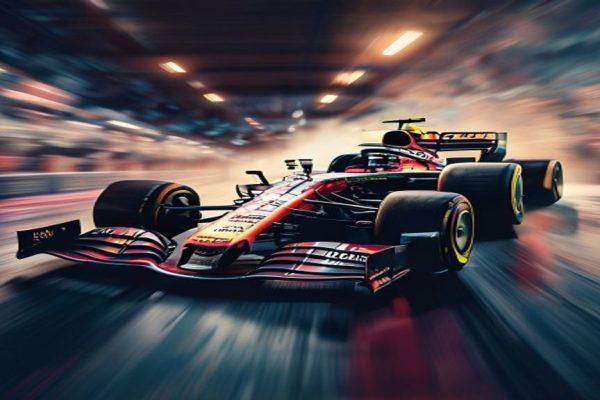
Formula 1’s Shift: From Speed to Spectacle
Formula 1’s latest iteration has sparked a heated debate among fans, drivers, and team owners. The 2022 regulations brought significant changes to the sport, including a major overhaul of the cars’ aerodynamics and a focus on sustainability. While the new cars have undoubtedly made the racing more visually appealing, with their sleek designs and dramatic overtakes, they have also raised concerns about the sport’s core values.
The Formula 1 Management (F1) and the FIA (Fédération Internationale de l’Automobile), the governing body of the sport, are caught in the middle of this debate. On one hand, they recognize the superficial appeal of the back-and-forth racing, with its high-speed corners and daring passes. On the other hand, they are concerned about the potential impact of the new cars on the sport’s long-term competitiveness and the welfare of the drivers.
The Rise of the ‘Sensational’ Cars
The new cars, with their highly complex and sophisticated aerodynamics, have created a new breed of racing. The cars are now more agile and responsive, allowing drivers to take corners at higher speeds and push the limits of the sport. This has led to an increase in overtaking and a more exciting spectator experience. However, critics argue that the cars have become too reliant on aerodynamic trickery, rather than pure speed and driver skill.
The emphasis on aerodynamics has also led to a significant increase in the cost of competing in Formula 1. The new cars require massive amounts of computational power and advanced materials, making them prohibitively expensive for many teams. This has created a divide between the top-tier teams, who have the resources to invest in the latest technology, and the smaller teams, who struggle to keep up.
The Core Values of Formula 1
Formula 1 has always been about more than just speed and spectacle. The sport has a rich history and a set of core values that have defined it for decades. These values include a focus on innovation, a commitment to safety, and a passion for competition. The new cars, while exciting to watch, have raised concerns about whether they are compromising these core values.
The FIA has been working to address these concerns, introducing a number of measures to promote competition and reduce costs. However, the debate continues, with some arguing that the sport has lost its way and others insisting that the new cars are a necessary evolution of the sport.
The Future of Formula 1
The future of Formula 1 is uncertain, with the sport facing a number of challenges in the coming years. The COVID-19 pandemic has had a devastating impact on the sport, with many teams struggling to stay afloat. The sport is also facing increasing competition from other forms of motorsport, such as Formula E and IndyCar.
Despite these challenges, Formula 1 remains one of the most popular and enduring sports in the world. The sport has a global following and a rich history, and it continues to evolve and adapt to the changing needs of its fans and competitors. As the debate over the new cars continues, one thing is clear: the future of Formula 1 will be shaped by the decisions made by its leaders and the innovations of its teams.
In conclusion, Formula 1’s latest iteration has sparked a heated debate about the sport’s core values and its future direction. While the new cars have undoubtedly made the racing more exciting, they have also raised concerns about the sport’s competitiveness and the welfare of its drivers. As the sport continues to evolve, it will be important for its leaders to balance the need for innovation and spectacle with the need to protect its core values and ensure its long-term sustainability.
Key points:
- The new Formula 1 cars are more complex and sophisticated than ever before, with a focus on aerodynamics and sustainability.
- The cars have created a new breed of racing, with a greater emphasis on overtaking and a more exciting spectator experience.
- Critics argue that the cars have become too reliant on aerodynamic trickery, rather than pure speed and driver skill.
- The emphasis on aerodynamics has led to a significant increase in costs, creating a divide between top-tier teams and smaller teams.
- The FIA has introduced measures to promote competition and reduce costs, but the debate continues.






Leave a Reply