Formula 1’s New Car Era Sparks Debate Over Racing’s Future
The Birth of a New Era: Understanding F1’s Radical Changes
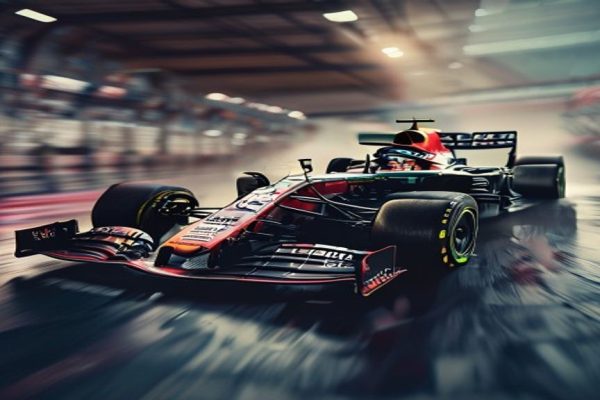
Formula 1, the pinnacle of open-wheel racing, has undergone a significant transformation in recent years. The introduction of new cars, featuring advanced aerodynamics and hybrid power units, has sparked a heated debate among fans, teams, and the sport’s governing body. The debate centers around the impact of these changes on the sport’s essence and the future direction of F1.
The new cars, designed to reduce fuel consumption and increase efficiency, have been a resounding success in terms of performance. They have brought about a new level of excitement and unpredictability to the sport, with drivers often finding themselves mere inches apart as they battle for pole position. However, this has also led to concerns that the racing has become too superficial, with the focus shifting from the actual driving skills to the aerodynamic capabilities of the cars.
The FIA, the governing body of F1, is caught in the middle of this debate. While they recognize the appeal of the new cars and the increased excitement they bring, they are also concerned about the potential consequences of these changes on the sport they have grown to love. The FIA has been working closely with teams and manufacturers to ensure that the new cars remain competitive and exciting, while also maintaining the sport’s integrity and safety.
One of the key concerns is the impact of the new cars on the sport’s competitive balance. With the increased performance and aerodynamic capabilities, smaller teams and independent drivers are finding it increasingly difficult to compete with the larger, more established outfits. This has led to calls for a more level playing field, with some teams advocating for a return to the old car regulations.
Another concern is the potential impact on the sport’s fan base. While the new cars have attracted a new generation of fans, some of the long-time supporters are feeling alienated by the changes. They feel that the sport has become too focused on technology and not enough on the actual racing. This has led to a decline in attendance and viewership, as fans are less interested in watching a bunch of cars go fast than they are in seeing skilled drivers compete in a more traditional format.
To address these concerns, the FIA has implemented several measures aimed at reducing the emphasis on aerodynamics and increasing the focus on driver skill. One of these measures is the introduction of a new aerodynamic testing regime, which aims to reduce the amount of wind tunnel testing that teams can do. This will help to level the playing field and make it easier for smaller teams to compete.
Another measure is the introduction of a new points system, which will reward drivers for their qualifying performance, as well as their actual racing skills. This will give drivers a greater incentive to push themselves to the limit during qualifying, rather than just relying on their car’s aerodynamic capabilities.
In conclusion, Formula 1’s new car era has sparked a heated debate over the sport’s future. While the new cars have brought about a new level of excitement and unpredictability, they have also raised concerns about the competitive balance, the sport’s fan base, and the emphasis on technology. The FIA has implemented several measures aimed at addressing these concerns, but the debate is far from over. As the sport continues to evolve, it will be interesting to see how the new cars and regulations shape the future of F1.
The Future of F1: What’s Next for the Sport?
As the sport continues to evolve, there are several key areas that F1 needs to focus on to ensure its long-term success. One of these areas is the development of a more sustainable and environmentally friendly fuel system. The current hybrid power unit is a significant step in the right direction, but F1 needs to continue to innovate and push the boundaries of what is possible.
Another key area is the development of a more competitive and level playing field. The current regulations have been criticized for favoring the larger teams and manufacturers, which has led to a decline in attendance and viewership. F1 needs to find a way to make the sport more accessible and competitive for smaller teams and independent drivers.
Finally, F1 needs to focus on engaging its fan base and building a strong and loyal community. This can be done through a variety of measures, including more fan-friendly events, social media engagement, and interactive experiences. By building a strong and loyal fan base, F1 can ensure its long-term success and continued growth.
Conclusion
In conclusion, Formula 1’s new car era has sparked a heated debate over the sport’s future. While the new cars have brought about a new level of excitement and unpredictability, they have also raised concerns about the competitive balance, the sport’s fan base, and the emphasis on technology. The FIA has implemented several measures aimed at addressing these concerns, but the debate is far from over. As the sport continues to evolve, it will be interesting to see how the new cars and regulations shape the future of F1.
F1’s bosses are caught in the middle of this debate, recognising the superficial appeal of the back-and-forth racing, but concerned about what the new cars are doing to the sport they grew up loving. The future of the sport hangs in the balance, and only time will tell if the new car era will be a success or a disaster.
Key Points:
- The new F1 cars have brought about a new level of excitement and unpredictability.
- The FIA has implemented measures aimed at reducing the emphasis on aerodynamics and increasing the focus on driver skill.
- F1 needs to focus on developing a more sustainable and environmentally friendly fuel system.
- F1 needs to find a way to make the sport more accessible and competitive for smaller teams and independent drivers.
- F1 needs to engage its fan base and build a strong and loyal community.






Leave a Reply