The Era of Change: F1’s Transformation
The world of Formula One (F1) has undergone significant transformations in recent years, with a focus on enhancing the racing experience and addressing concerns about the sport’s safety, sustainability, and excitement. However, this change has also sparked a debate among fans, teams, and F1’s governing body, the Fédération Internationale de l’Automobile (FIA), about the sport’s identity and its future direction.
At the center of this debate are the new regulations aimed at improving the racing, with a focus on reducing costs, increasing competition, and enhancing driver safety. While these changes have led to some thrilling racing moments, they have also raised concerns that the sport is losing its essence. The FIA, led by President Mohammed Ben Sulayem and CEO Stefano Domenicali, is caught in the middle, trying to balance the need for innovation and excitement with the need to preserve the sport’s heritage and integrity.
The Superficial Appeal of the New Cars
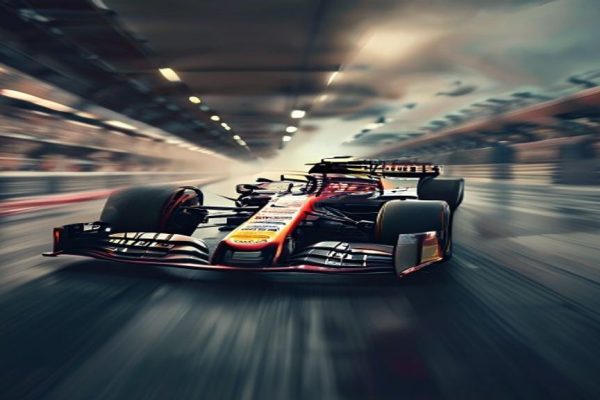
The new F1 cars, introduced in 2022, have been designed to be more visually appealing, with a focus on creating a more dramatic and exciting racing experience. The cars’ sleek designs, colorful liveries, and advanced aerodynamics have captured the imagination of fans worldwide, making F1 more accessible and attractive to a new generation of enthusiasts. However, beneath the surface, concerns are growing about the sport’s technical direction and the impact of the new cars on the racing itself.
Racing purists argue that the new cars have made the sport too reliant on technology, with the emphasis on aerodynamics and downforce creating a situation where cars are more focused on generating speed through cornering rather than raw power. This, they claim, has resulted in a loss of the raw, uncompromising racing that F1 was once famous for.
The Concerns About the Sport’s Future
While the new regulations have led to some thrilling racing moments, concerns are growing about the long-term implications of these changes. Some experts argue that the FIA’s focus on creating a more exciting racing experience has come at the expense of the sport’s technical complexity and depth, which are essential for maintaining the sport’s competitive edge and attracting new fans.
Furthermore, the increasing reliance on technology has raised concerns about the sport’s sustainability and environmental impact. With the cost of developing and maintaining these advanced cars soaring, some teams are struggling to stay afloat, while others are questioning the environmental implications of these highly complex machines.
The FIA, aware of these concerns, is working to address them through various initiatives, including the development of more sustainable technologies and the implementation of cost-control measures. However, the debate about the sport’s future direction continues, with fans, teams, and officials all having a stake in the outcome.
As the F1 season progresses, it will be fascinating to see how the sport evolves and how the FIA responds to the concerns and challenges facing the sport. One thing is certain – the future of F1 will be shaped by the delicate balance between preserving the sport’s heritage and embracing innovation and change.
In an era where the sport is facing unprecedented challenges, the FIA’s leadership, vision, and decision-making will play a crucial role in shaping the future of F1. As the sport navigates this complex landscape, one thing is clear – the future of F1 will be shaped by the intricate interplay between technology, sustainability, and the sport’s enduring appeal to fans worldwide.
The Way Forward: A Balance Between Tradition and Innovation
In conclusion, the debate about F1’s future direction is complex and multifaceted, with various stakeholders having different perspectives on the sport’s evolution. However, one thing is clear – the FIA’s leadership must strike a delicate balance between preserving the sport’s heritage and embracing innovation and change.
The key to F1’s future success lies in finding a balance between tradition and innovation, between preserving the sport’s essence and embracing new technologies and ideas. By doing so, the FIA can ensure that F1 remains a vibrant, exciting, and competitive sport that continues to captivate fans worldwide.
- The new F1 cars have introduced a new era of regulation, with a focus on reducing costs, increasing competition, and enhancing driver safety.
- The changes have led to some thrilling racing moments, but concerns are growing about the sport’s technical direction and the impact on the racing itself.
- The FIA is caught in the middle, trying to balance the need for innovation and excitement with the need to preserve the sport’s heritage and integrity.
- The sport’s future direction will be shaped by the delicate balance between preserving the sport’s heritage and embracing innovation and change.






Leave a Reply