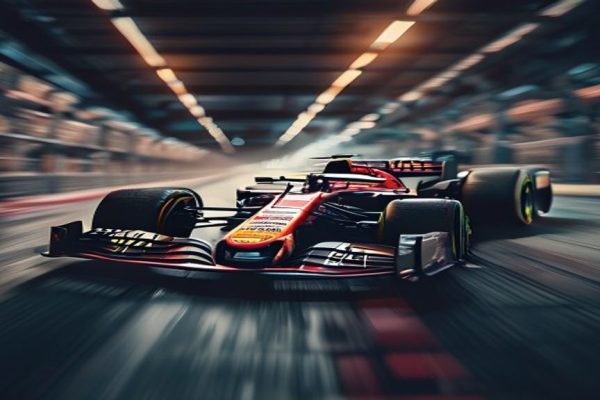
F1’s Evolution: A Double-Edged Sword
The world of Formula 1 (F1) has been a subject of intense debate lately, with its bosses caught in the middle of a heated discussion. On one hand, the sport’s governing body acknowledges the allure of the high-speed racing, which captivates fans worldwide. On the other hand, concerns have been raised about the impact of the new cars on the very essence of the sport.
The introduction of advanced technology and aerodynamic features has transformed the cars into sleek, high-performance machines. While this has undoubtedly increased the racing’s appeal, it has also led to a decline in the traditional aspects of the sport. Critics argue that the new cars have made the racing too focused on downforce and not enough on driver skill and strategic decision-making.
Concerns about the Sport’s Future
F1’s bosses are worried that the increasing emphasis on technology and safety features could alter the fundamental character of the sport. They fear that if the racing becomes too homogenized, it could lead to a loss of interest among fans who crave the unpredictability and excitement that comes with human error and strategic complexity.
The debate has sparked a broader discussion about the role of technology in modern sports. While some argue that advancements in technology have improved safety and increased competitiveness, others believe that they have led to a loss of authenticity and a lack of human connection.
Racing’s Roots: Can F1 Reclaim its Heritage?
F1’s governing body is exploring ways to strike a balance between the need for technological advancements and the preservation of the sport’s traditional values. One possible solution is to introduce new regulations that prioritize driver skill and strategic decision-making over pure speed.
Another approach is to focus on the human aspect of the sport, highlighting the stories of the drivers and their personal struggles. By doing so, F1 can create a more engaging and relatable experience for fans, which could help to counterbalance the impact of the new cars.
Ultimately, the future of F1 hangs in the balance. If the sport fails to adapt and reclaim its racing roots, it risks losing its appeal to fans who crave the authenticity and excitement of a more traditional racing experience.
- Introduction of advanced technology has transformed F1 cars into high-performance machines.
- Critics argue that the new cars have made the racing too focused on downforce and not enough on driver skill and strategic decision-making.
- F1’s bosses are exploring ways to strike a balance between technology and traditional values.
- Introducing new regulations and highlighting human stories could help restore the sport’s authenticity.
As the debate rages on, one thing is certain: the future of F1 is uncertain, and its bosses must navigate the complex landscape of technological advancements and traditional values to ensure the sport’s continued relevance and appeal.
Image Prompt:
A high-speed F1 car racing down a track, with a blurred background to emphasize the speed and motion. The car’s driver is visible through the cockpit, with a determined expression on their face. In the foreground, a blurred image of a Formula 1 steering wheel is visible, with the words ‘F1’s Future in Jeopardy’ emblazoned across the top of the image.






Leave a Reply