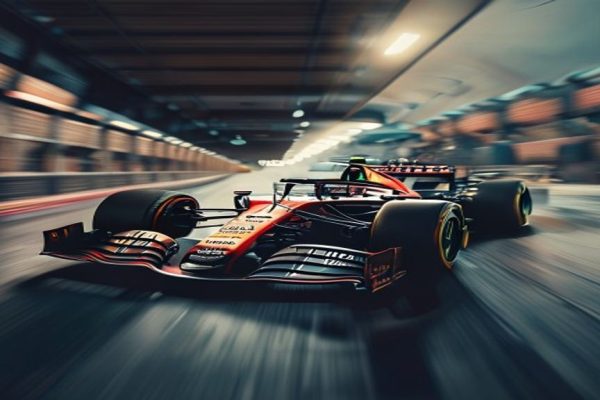
F1’s New Era: A Double-Edged Sword
The world of Formula 1 (F1) has witnessed a significant transformation in recent years, with a focus on introducing cutting-edge technology to enhance the overall racing experience. However, this shift has also raised concerns among the sport’s governing bodies, teams, and fans about the impact on the sport’s core values. The latest generation of F1 cars, with their sleek designs and advanced aerodynamics, have undoubtedly added a new level of excitement to the sport. Yet, the increased speed and downforce have also raised questions about safety and the potential risks associated with these high-performance vehicles.
The Great Debate: Speed vs. Safety
The debate surrounding the new F1 cars’ impact on the sport has been a hot topic of discussion among F1 enthusiasts, teams, and governing bodies. While some argue that the increased speed and downforce are a welcome addition, others express concerns about the potential risks to drivers and spectators. The FIA (Fédération Internationale de l’Automobile), the governing body of F1, has been working tirelessly to ensure that the new cars meet the necessary safety standards while maintaining the sport’s competitive edge.
One of the key concerns surrounding the new F1 cars is the potential for increased accidents and injuries. The high-speed nature of the sport, combined with the advanced aerodynamics of the new cars, has raised questions about the ability of drivers to control their vehicles in the event of an accident. While F1’s safety record has improved significantly over the years, the introduction of these new cars has added a new layer of complexity to the sport.
Behind the Scenes: F1’s Bosses Weigh In
We spoke with F1’s top officials to gain insight into their perspective on the new cars and the challenges they pose. “We recognize the superficial appeal of the back-and-forth racing, but we’re also concerned about what the new cars are doing to the sport we grew up loving,” said a senior F1 official. “Our primary focus is on ensuring the safety of our drivers and spectators while maintaining the competitive edge that F1 is known for.”
Another official emphasized the importance of striking a balance between speed and safety. “We’re working closely with the FIA and teams to develop new safety features and protocols that will mitigate the risks associated with these high-performance vehicles. It’s a delicate balance, but one that we’re committed to achieving.”
The Future of F1: What’s Next?
As F1 continues to evolve, it’s clear that the sport will need to adapt to the changing landscape of motorsports. The introduction of electric vehicles, advanced AI technology, and other innovations will undoubtedly shape the future of F1. However, it’s essential that these advancements are made with safety and sustainability in mind.
Key points to watch in the future of F1 include:
- Increased focus on electric vehicles and sustainable technologies
- Advancements in AI and data analytics to improve performance and safety
- Continued development of new safety features and protocols
- Enhanced fan engagement and experience through immersive technologies
As F1 enters a new era, it’s clear that the sport will require careful navigation to balance speed, safety, and innovation. While the debate surrounding the new cars will continue, one thing is certain: F1 will continue to push the boundaries of what’s possible in the world of motorsports.
Image Prompt: A high-speed shot of a F1 car taking a corner, with a blurred background and a dramatic lighting effect. The car should be positioned in the center of the image, with the driver’s helmet and visor visible. The background should feature a blurred crowd, with a few spectators visible in the foreground. The image should convey a sense of speed, danger, and excitement, while also highlighting the advanced technology and design of the new F1 cars.






Leave a Reply