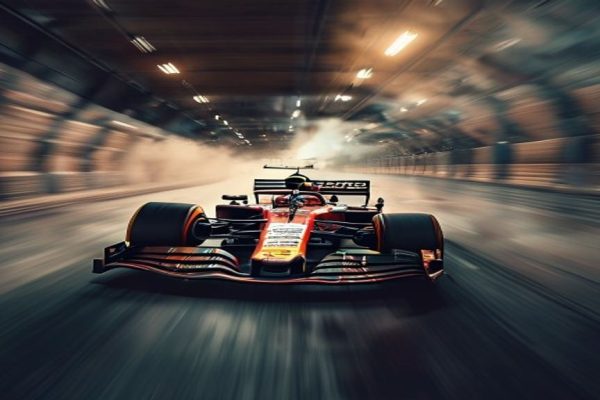
F1’s New Era: A Double-Edged Sword
The world of Formula One (F1) has been witnessing a significant transformation in recent years, driven by the introduction of new car designs and a renewed focus on sustainability. While these changes have undoubtedly enhanced the superficial appeal of the sport, with faster cars and more thrilling racing, they have also raised concerns about the long-term implications for the sport’s safety and integrity.
At the heart of this debate are the F1 bosses, who have spent their careers perfecting the art of high-speed racing. On one hand, they recognize the captivating nature of the new cars, which have increased speeds and reduced lap times, making the racing more exciting for fans. On the other hand, they are increasingly concerned about the potential consequences of these changes on the sport they have dedicated their lives to.
The Safety Conundrum
The safety of F1 drivers has long been a top priority, and the introduction of new cars has brought new challenges in this regard. The increased speeds and downforce of the new cars have raised concerns about the potential for high-speed crashes and the impact on driver safety. Furthermore, the increased complexity of the new cars has also raised concerns about the potential for mechanical failures, which could have catastrophic consequences.
The FIA, the governing body of F1, has taken steps to address these concerns, introducing new regulations and safety features to mitigate the risks associated with the new cars. However, some critics argue that these measures may not be sufficient to address the underlying issues, and that the sport needs to take a more radical approach to prioritizing safety.
The Future of F1: Racing vs. Safety
As F1 continues to evolve, the debate over racing vs. safety is likely to become increasingly heated. The sport’s governing body will need to strike a delicate balance between preserving the excitement and spectacle that has made F1 a global phenomenon, while also ensuring the safety and well-being of its drivers.
This is not a new challenge for F1; the sport has faced similar dilemmas in the past, and has often emerged stronger and more resilient as a result. However, the stakes are higher than ever, with the sport facing increasing pressure from fans, sponsors, and media outlets to prioritize safety and accessibility.
To address these challenges, F1 will need to engage in a more open and transparent dialogue with its stakeholders, including fans, teams, and drivers. This will involve listening to concerns, gathering feedback, and making data-driven decisions to ensure that the sport remains safe, exciting, and sustainable for generations to come.
Key Points:
- The introduction of new F1 cars has raised concerns about safety, with increased speeds and downforce potentially leading to high-speed crashes and mechanical failures.
- The FIA has introduced new regulations and safety features to mitigate these risks, but some critics argue that these measures may not be sufficient.
- F1 will need to strike a delicate balance between preserving the excitement and spectacle of the sport, while also ensuring the safety and well-being of its drivers.
- The sport’s governing body will need to engage in a more open and transparent dialogue with stakeholders to address these challenges.
In conclusion, F1’s new era has brought both excitement and challenges to the sport. As F1 continues to evolve, the debate over racing vs. safety will only become more intense. However, with careful consideration, open dialogue, and a commitment to safety and sustainability, F1 can emerge stronger and more resilient than ever.






Leave a Reply