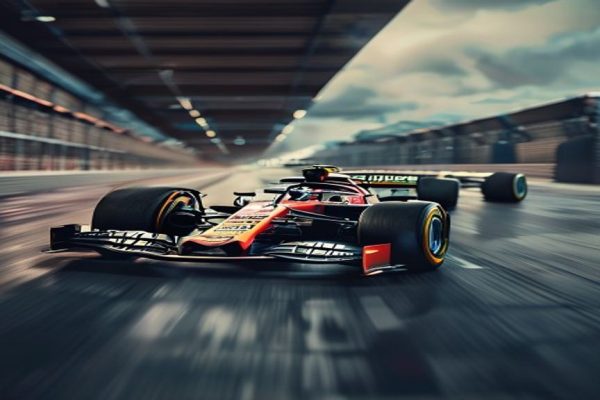
F1’s Future in Jeopardy: Concerns Over New Cars’ Impact on the Sport
The world of Formula 1 (F1) is at a crossroads, with its governing body and teams caught in a heated debate about the future direction of the sport. The introduction of new cars, designed to improve aerodynamics and reduce costs, has sparked a contentious discussion about the potential consequences of these changes on the sport’s appeal and competitiveness.
The Superficial Appeal of Back-and-Forth Racing
On the surface, the new cars have undoubtedly brought an element of excitement to the sport, with their sleek designs and advanced aerodynamics resulting in thrilling back-and-forth battles on the track. Fans are once again being treated to the kind of edge-of-your-seat racing that has become synonymous with F1. However, beneath this façade lies a deeper concern among F1’s bosses and teams.
The Risks of a Formula 1 Homogenization
One of the primary concerns surrounding the new cars is the potential for a homogenization of the sport. By introducing standardized components and strict regulations, F1 risks losing the unique character that has made it so appealing to fans over the years. The sport’s rich history has been built on the diversity and individuality of its teams, with each outfit having its own distinct approach to car design and racing strategy. If the new cars continue to dominate the sport, this diversity may be lost, leaving F1 with a generic, cookie-cutter feel that alienates its loyal fanbase.
The Human Factor: F1’s Emotional Connection
Formula 1 has always been a sport that transcends mere racing. It’s an emotional connection between drivers, teams, and fans that makes the sport so captivating. The new cars, while visually stunning, may inadvertently sever this emotional bond. The increased reliance on computer-aided design and advanced technology could lead to a situation where the human element is marginalized, leaving fans to wonder if they’re watching a sport or a highly advanced, high-tech spectacle.
The governing body of F1 and its teams must carefully consider the long-term implications of these changes. While the new cars may bring short-term gains in terms of on-track excitement, they risk undermining the very foundations of the sport in the process.
- The need for a balance between technological advancement and the preservation of F1’s unique character.
- The importance of maintaining the human element in the sport, ensuring that drivers and teams remain an integral part of the F1 experience.
- The potential consequences of a homogenization of the sport, including a loss of diversity and individuality among teams.
As F1 continues to evolve, it’s essential that its leaders remain mindful of the sport’s rich history and the emotional connection that has made it so beloved by fans worldwide. By striking a balance between innovation and tradition, F1 can ensure a bright future for itself, one that maintains the excitement and suspense that has made it the premier motorsport in the world.
A Call to Action: Preserving F1’s Heritage
The debate surrounding the new cars in F1 is far from over, and it’s essential that all stakeholders come together to find a solution that preserves the sport’s heritage while embracing innovation. By doing so, F1 can continue to captivate fans and inspire a new generation of drivers, engineers, and enthusiasts.
The Future of F1: A Delicate Balance
The future of F1 hangs in the balance, with its governing body and teams facing a daunting task: to preserve the sport’s unique character while embracing the technological advancements that have made it so appealing. The next few seasons will be crucial in determining the direction of F1, and it’s crucial that all parties work together to ensure that the sport remains true to its heritage.
In the end, the success of F1 will depend on its ability to strike a delicate balance between innovation and tradition. If it can achieve this balance, the sport will continue to thrive, captivating fans and inspiring a new generation of drivers and engineers. However, if it fails to do so, the consequences could be catastrophic, leaving F1 in a state of limbo and threatening its very existence.






Leave a Reply