F1’s New Era of High-Speed Racing Raises Concerns Among Seasoned Experts
The world of Formula One (F1) is at a crossroads, with the introduction of new cars that have significantly altered the dynamics of the sport. While these changes have undoubtedly added to the excitement and spectacle of the racing, they have also raised concerns among F1’s seasoned experts, including the sport’s governing body, the Fédération Internationale de l’Automobile (FIA).
Background and Context
F1 has undergone numerous changes over the years, but the current iteration marks a significant departure from the sport’s traditional values. The new cars, which were introduced in 2022, feature advanced aerodynamic designs, improved engine performance, and enhanced safety features. While these changes have led to increased speeds and closer racing, they have also altered the fundamental character of the sport.
The new cars’ increased aerodynamic downforce has enabled drivers to take corners at unprecedented speeds, creating a more thrilling experience for fans. However, this has also led to concerns about the safety of the sport, as drivers are now pushing the limits of their cars and themselves in ways that were previously unimaginable.
The Debate Rages On
The debate surrounding the new F1 cars has been ongoing for months, with opinions sharply divided among fans, drivers, and team owners. Some argue that the new cars have breathed new life into the sport, making it more exciting and unpredictable. Others, however, believe that the changes have compromised the sport’s integrity and made it more susceptible to accidents.
F1’s bosses, including FIA President Mohammed Ben Sulayem, are caught in the middle of this debate, recognizing the superficial appeal of the back-and-forth racing but concerned about what the new cars are doing to the sport they grew up loving. ‘We’re not just talking about a change in the cars; we’re talking about a change in the DNA of the sport,’ said Ben Sulayem in a recent interview.
The Future of F1
As the debate rages on, F1’s governing body is faced with a daunting task: finding a balance between the sport’s need for innovation and its commitment to safety and tradition. The FIA has already taken steps to address some of the concerns surrounding the new cars, including introducing new technical regulations and increasing the number of safety marshals on the track.
However, the question remains whether these measures will be enough to address the fundamental issues at play. As F1 continues to evolve, it is essential that the sport’s governing body remains committed to its core values, including safety, fairness, and tradition. Anything less would compromise the very fabric of the sport and risk alienating its loyal fan base.
Key Points
- The new F1 cars have significantly altered the dynamics of the sport, raising concerns among seasoned experts.
- The increased aerodynamic downforce has enabled drivers to take corners at unprecedented speeds, creating a more thrilling experience for fans.
- However, this has also led to concerns about the safety of the sport, as drivers are now pushing the limits of their cars and themselves in ways that were previously unimaginable.
- F1’s governing body, the FIA, is caught in the middle of the debate, recognizing the superficial appeal of the back-and-forth racing but concerned about what the new cars are doing to the sport they grew up loving.
- The FIA has already taken steps to address some of the concerns surrounding the new cars, including introducing new technical regulations and increasing the number of safety marshals on the track.
As F1 continues to evolve, it is essential that the sport’s governing body remains committed to its core values, including safety, fairness, and tradition. Anything less would compromise the very fabric of the sport and risk alienating its loyal fan base.
Image Prompt:
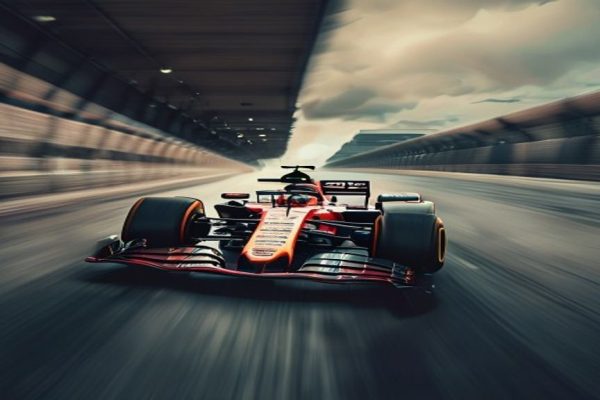
A high-speed F1 car hurtling around a corner, with the driver pushing the limits of the car and himself. The car’s aerodynamic design is evident, with the front wing and rear wing creating a massive amount of downforce. The background is a blurred representation of the track, with the grandstands and spectators in the distance. The image should convey a sense of speed, excitement, and danger, highlighting the challenges faced by F1’s governing body in balancing innovation and safety.






Leave a Reply