Formula 1’s New Generation of Cars: A Double-Edged Sword for the Sport
Formula 1, the pinnacle of open-wheel racing, has been at the forefront of innovation in recent years. The introduction of new regulations aimed at increasing on-track passing and reducing the dependency on aerodynamic grip has sparked a heated debate among fans, drivers, and team principals. While the superficial appeal of the new cars is undeniable, concerns have been raised about the impact they are having on the sport as a whole.
The Need for Change
The previous generation of Formula 1 cars, which were in use from 2014 to 2021, were criticized for being too reliant on aerodynamics for grip. The cars were producing immense downforce, but this came at the cost of reduced racing and increased costs. The new regulations, which were introduced in 2022, aimed to address these issues by reducing the amount of aerodynamic grip and increasing the use of mechanical grip.
However, the new cars have been met with a mixed reaction. While they have been praised for their improved racing and increased passing opportunities, concerns have been raised about the increased costs and the impact on the sport’s competitiveness. The new cars are significantly more complex and expensive than their predecessors, which has put a strain on the teams’ budgets.
The Concerns of F1’s Bosses
The bosses of Formula 1, led by CEO Stefano Domenicali, are caught in the middle of this debate. They recognize the superficial appeal of the new cars and the improved racing they have brought, but they are also concerned about the long-term implications for the sport. The increased costs and decreased competitiveness have raised concerns about the sustainability of the sport and its ability to attract new fans.
“We understand that the new cars have brought a new level of excitement to the sport, but we also need to be mindful of the costs and the impact on our teams,” said Domenicali in a recent interview. “We need to find a balance between innovation and affordability, and we are working hard to achieve this.”
The Future of Formula 1
The future of Formula 1 is uncertain, but one thing is clear: the sport needs to adapt to the changing landscape. The new cars have brought a new level of excitement to the sport, but they have also raised concerns about the increased costs and decreased competitiveness. The bosses of Formula 1 are working hard to find a balance between innovation and affordability, but it remains to be seen how successful they will be.
One thing is certain, however: the sport will continue to evolve and adapt to the changing times. The new cars may be a double-edged sword, but they have brought a new level of excitement to the sport and have raised important questions about its future.
Key Points:
- The new Formula 1 cars were introduced in 2022 to increase on-track passing and reduce the dependency on aerodynamic grip.
- The new cars have been praised for their improved racing and increased passing opportunities, but concerns have been raised about the increased costs.
- The bosses of Formula 1 are caught in the middle of this debate, recognizing the superficial appeal of the new cars but also concerned about the long-term implications for the sport.
- The future of Formula 1 is uncertain, but the sport needs to adapt to the changing landscape and find a balance between innovation and affordability.
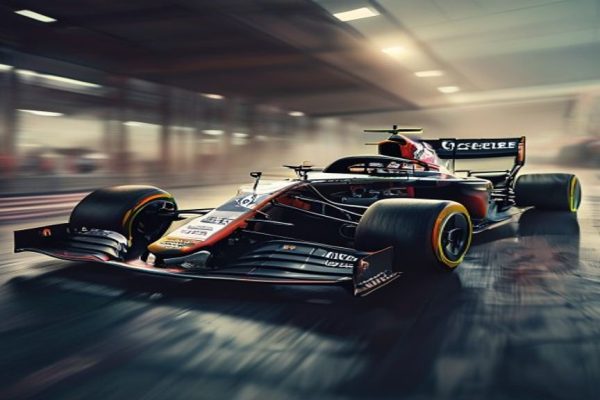
Image Prompt: A Formula 1 car racing down the track, with a blurred background of fans and the sound of a roaring engine in the foreground. The car is a sleek, modern design, with a bold livery and a hint of smoke rising from the rear wheel.






Leave a Reply