Flying Cars Poised to Revolutionize US Airspace
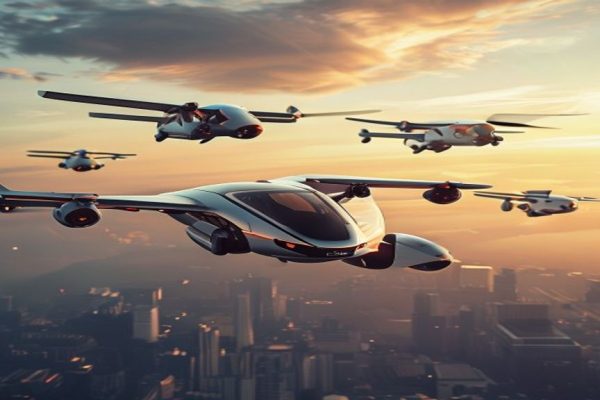
New kinds of aircraft, often referred to as flying cars, are set to start operating in US airspace as early as June. These vehicles, which combine the functionality of airplanes with the vertical takeoff and landing capabilities of helicopters, are expected to transform the way people travel.
The US Department of Transportation has been working with various manufacturers and aviation authorities to develop regulations for the operation of these advanced aircraft. The new rules will allow flying cars to take off and land in a variety of locations, including small helipads and even residential areas.
This development is part of a broader effort to modernize the US aviation industry and improve access to air travel. With the introduction of flying cars, people will have more options for getting around, and the potential for increased efficiency and reduced traffic congestion is significant.
A Look at the Technology Behind Flying Cars
Flying cars are equipped with advanced technology, including sophisticated navigation systems, high-speed propulsion systems, and advanced safety features. These vehicles are designed to operate autonomously, but pilots will still be required to be on board to ensure safe operation.
The flying cars will be powered by electric or hybrid-electric motors, which will provide a quieter and more environmentally friendly alternative to traditional gasoline-powered aircraft. The vehicles will also be equipped with advanced sensors and cameras to improve safety and reduce the risk of accidents.
Regulatory Framework and Safety Concerns
The introduction of flying cars raises a range of regulatory and safety concerns. The US Department of Transportation has established a framework for the operation of these vehicles, which includes rules for pilot training, aircraft maintenance, and air traffic control.
However, there are still concerns about the safety of flying cars, particularly in densely populated areas. The risk of accidents and injuries is a major concern, and the industry will need to work closely with regulatory authorities to ensure that safety standards are met.
Key points to consider:
- The US Department of Transportation has established regulations for the operation of flying cars.
- Flying cars will be powered by electric or hybrid-electric motors.
- The vehicles will be equipped with advanced safety features, including sensors and cameras.
- Pilots will still be required to be on board to ensure safe operation.
- The industry will need to work closely with regulatory authorities to ensure safety standards are met.
Future Implications and Potential Benefits
The introduction of flying cars has significant implications for the future of transportation. With the ability to take off and land in a variety of locations, flying cars could revolutionize the way people travel, particularly in urban areas.
The potential benefits of flying cars include:
- Reduced traffic congestion and improved air quality.
- Increased access to air travel, particularly for people living in remote or underserved areas.
- Improved safety and reduced risk of accidents.
- Increased efficiency and reduced travel time.
However, there are also potential challenges and drawbacks, including:
- Regulatory hurdles and safety concerns.
- High costs and limited accessibility.
- Environmental impact and noise pollution.
Conclusion
The introduction of flying cars is a significant development in the US aviation industry. With the potential to revolutionize the way people travel, these vehicles have the power to transform urban landscapes and improve access to air travel. However, there are also regulatory and safety concerns that must be addressed.
As the industry continues to evolve, it is essential that manufacturers, regulatory authorities, and the public work together to ensure that safety standards are met and the potential benefits of flying cars are realized.
Image Prompt: A futuristic illustration of a flying car taking off from a small helipad in a densely populated urban area, with a cityscape in the background. The vehicle should be depicted in mid-air, with a pilot on board and people watching from the ground. The image should convey a sense of excitement and possibility, while also highlighting the potential challenges and drawbacks of flying cars.






Leave a Reply