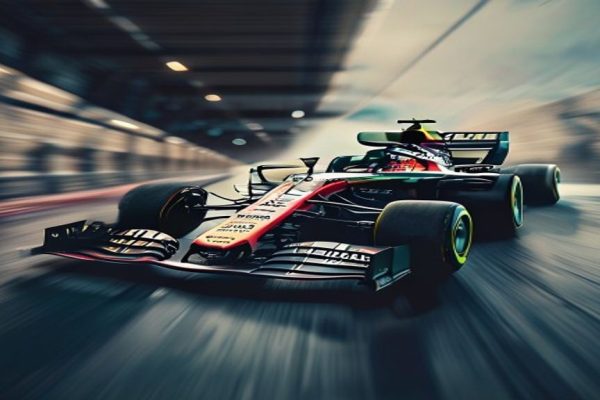
Formula 1’s New Era: Balancing Speed and Sustainability
The world of Formula 1 (F1) has undergone significant changes in recent years, with a renewed focus on sustainability, efficiency, and speed. The introduction of new car regulations has sparked a heated debate among fans, drivers, and team owners about the future of the sport. F1’s bosses are caught in the middle of this debate, recognising the superficial appeal of the back-and-forth racing, but concerned about what these new cars are doing to the sport they grew up loving.
Background and Context
Formula 1 is one of the most prestigious and technologically advanced forms of racing in the world. The sport has a rich history, dating back to the 1950s, and has evolved over the years to become a global phenomenon, with millions of fans worldwide. In 2021, F1 underwent a significant transformation with the introduction of new car regulations, designed to promote sustainability, efficiency, and speed.
The new cars feature advanced aerodynamic designs, improved fuel efficiency, and innovative materials. While these changes have increased the speed and competitiveness of the sport, they have also raised concerns about the impact on the sport’s heritage and the fan experience.
Concerns about the New Cars
Many F1 fans and experts have expressed concerns about the new cars, citing the following reasons:
- Loss of heritage: The new cars have a more futuristic design, which some fans feel has lost the classic charm of the sport.
- Increased costs: The new cars are more complex and expensive to build and maintain, which has led to increased costs for teams and a potential barrier to entry for new teams.
- Reduced overtaking: The new cars have made it more difficult for drivers to overtake, which has led to a decrease in the number of passing maneuvers and a less exciting fan experience.
F1’s Response
Formula 1’s governing body, the FIA, and the teams have acknowledged the concerns and are working to address them. In a statement, F1’s CEO, Stefano Domenicali, said: “We understand the concerns about the new cars, but we believe they are a necessary step towards a more sustainable and competitive sport. We are working to find a balance between speed and sustainability, while also ensuring that the sport remains exciting and engaging for fans.”
The teams are also exploring new technologies and innovations to improve the sport, such as advanced aerodynamic designs, improved tire compounds, and innovative materials. These changes aim to increase the competitiveness of the sport while also reducing costs and environmental impact.
The Future of F1
As F1 continues to evolve, the debate about the new cars will likely continue. However, it is clear that the sport is committed to finding a balance between speed and sustainability. With the introduction of new technologies and innovations, F1 is poised to become an even more exciting and competitive sport, while also reducing its environmental impact.
In the end, the future of F1 will depend on the ability of the teams, the FIA, and the fans to work together to find a balance between speed and sustainability. With the right approach, F1 can continue to thrive and remain one of the most popular and exciting sports in the world.
Conclusion
Formula 1’s new era has brought about significant changes to the sport, with a renewed focus on sustainability, efficiency, and speed. While the debate about the new cars continues, it is clear that F1 is committed to finding a balance between these competing demands. With the introduction of new technologies and innovations, F1 is poised to become an even more exciting and competitive sport, while also reducing its environmental impact.
In the end, the future of F1 will depend on the ability of the teams, the FIA, and the fans to work together to find a balance between speed and sustainability. With the right approach, F1 can continue to thrive and remain one of the most popular and exciting sports in the world.






Leave a Reply