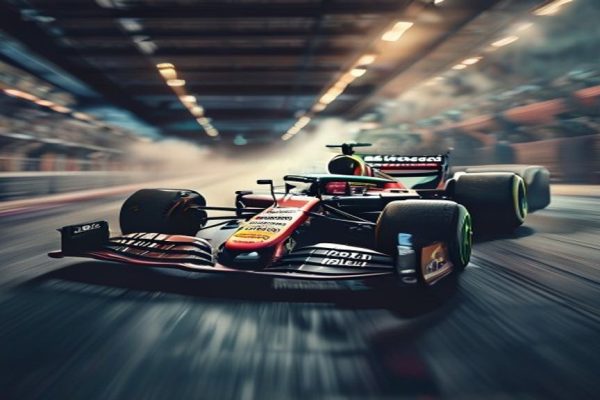
Formula 1’s Turbulent Transformation
Formula 1, the world’s premier motor racing championship, is at a crossroads. Behind the scenes, its governing body, the FIA, is grappling with the unintended consequences of the sport’s latest revolution: the new hybrid power units. Introduced in 2014, these high-tech engines have significantly improved fuel efficiency and reduced emissions, aligning the sport with the evolving environmental landscape. However, their impact on the racing itself has sparked intense debate.
The Dilemma: Spectacle vs. Sustainability
The F1’s bosses are caught in the middle of this debate, recognising the superficial appeal of the back-and-forth racing, but concerned about what the new cars are doing to the sport they grew up loving. The high-tech engines have created a scenario where drivers are struggling to overtake, and the racing has become increasingly processional. This has led to a decrease in the number of overtaking maneuvers, which, in turn, has resulted in a decline in fan engagement.
On the other hand, the F1’s governing body is under pressure to meet the increasingly stringent environmental regulations. The new hybrid engines have significantly reduced the sport’s carbon footprint, making it more appealing to a younger, environmentally conscious demographic. However, the FIA is also aware that the current engines are not as exciting as their predecessors, which has led to a decrease in ticket sales and broadcasting revenue.
The Consequences of a Sport in Transition
The F1’s transformation has far-reaching consequences that extend beyond the racing itself. The sport’s commercial partners are beginning to take notice, with several major sponsors expressing concerns about the future of the sport. The decline in fan engagement has also led to a decrease in merchandise sales, which has a direct impact on the sport’s revenue.
The FIA is caught in a Catch-22 situation, where it must balance the need to maintain the sport’s environmental credibility with the need to create an exciting and engaging product for its fans. The governing body is aware that the current engines are not ideal, but it is also aware that making significant changes will be a complex and time-consuming process.
The Future of Formula 1
So, what does the future hold for Formula 1? The FIA is working closely with the sport’s manufacturers to develop new engines that will strike a balance between sustainability and excitement. The proposed new regulations, set to come into effect in 2026, aim to introduce more efficient engines that will also be more powerful and easier to overtake with. However, the exact outcome remains uncertain, and the sport’s future hangs in the balance.
In the meantime, the FIA is working to create more exciting racing by introducing new rules and regulations that will encourage drivers to push the limits of their cars. The governing body is also investing in new technologies, such as advanced aerodynamics and advanced materials, to make the cars faster and more agile.
The future of Formula 1 is uncertain, but one thing is clear: the sport must adapt to the changing environmental landscape and maintain its appeal to its fans. The FIA is aware of the challenges it faces and is working tirelessly to create a sport that is both sustainable and exciting.
- The F1’s new hybrid power units have improved fuel efficiency and reduced emissions.
- The high-tech engines have created a scenario where drivers are struggling to overtake, leading to a decrease in fan engagement.
- The FIA is under pressure to meet environmental regulations, but also aware of the need to create an exciting product for its fans.
- The proposed new regulations aim to introduce more efficient engines that will also be more powerful and easier to overtake with.
- The FIA is investing in new technologies to make the cars faster and more agile.






Leave a Reply