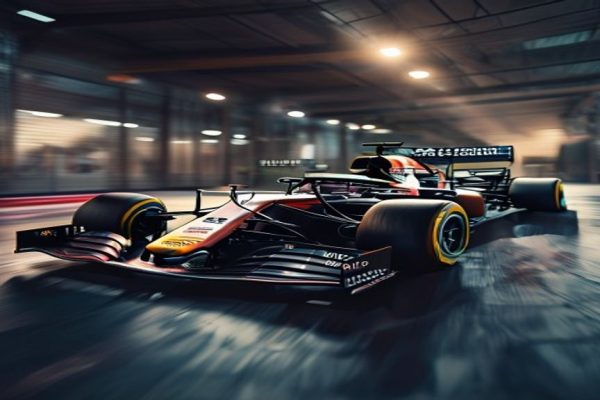
F1’s New Cars: A Double-Edged Sword in the World of Formula One
The world of Formula One (F1) has been abuzz with the introduction of new cars in recent seasons. The cutting-edge technology and sleek designs have undoubtedly added a new layer of excitement to the sport. However, beneath the surface, a debate has been brewing among F1’s governing bodies, drivers, and fans. While the new cars have brought about a thrilling spectacle, there are concerns about their impact on the sport’s very essence.
What’s Behind the Change?
The primary reason for the new car regulations is to promote closer racing and increase overtaking opportunities. The changes were designed to address the criticism that the sport had become too predictable and processional in the previous era. The revised aerodynamic rules and power unit regulations aimed to reduce the gap between cars, making it easier for drivers to overtake and create more exciting racing.
However, the changes have also led to a significant increase in the cost of competing in F1. The new cars are more complex and expensive to build, maintain, and repair. This has put additional pressure on teams, which have had to adapt their strategies and budgets to comply with the new regulations.
The Double-Edged Sword of F1’s New Cars
- On one hand, the new cars have brought about a more thrilling spectacle, with drivers pushing their skills to the limit and creating memorable moments on the track.
- On the other hand, the increased complexity and cost of the new cars have led to concerns about the sustainability of the sport and its long-term viability.
The debate surrounding F1’s new cars is complex and multifaceted. While the governing bodies aim to create a more exciting and competitive sport, they must also balance this with the need to maintain a sustainable and cost-effective environment for teams and drivers.
The Future of F1: A Balancing Act
As F1 continues to evolve, it’s clear that the sport must find a delicate balance between innovation and sustainability. The governing bodies will need to carefully weigh the benefits of new car regulations against the costs and challenges they impose on teams and drivers.
The future of F1 is uncertain, but one thing is clear: the sport will continue to push the boundaries of technology and innovation. Whether this will lead to a more exciting and sustainable sport, only time will tell.
In the meantime, fans will continue to be treated to the thrill of F1’s new cars, which will undoubtedly deliver more close racing and memorable moments on the track. However, behind the scenes, the debate about the sport’s future will continue to simmer, with F1’s governing bodies striving to find a balance between the competing demands of innovation and sustainability.






Leave a Reply