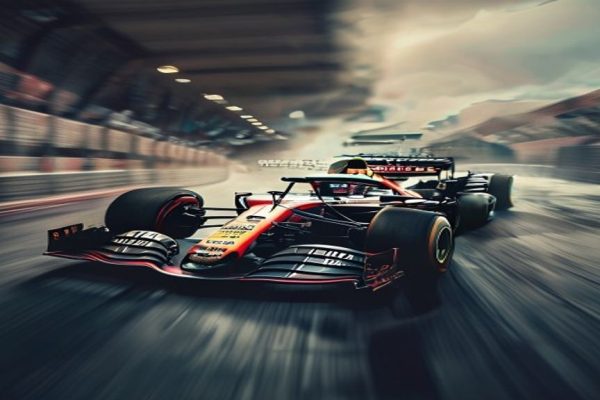
F1’s Turbulent Shift: The Impact of New Cars on the Sport
The world of Formula 1 (F1) is at a crossroads. With the introduction of new cars featuring groundbreaking aerodynamics and advanced technologies, the sport has witnessed a significant surge in popularity. However, beneath the exciting surface, concerns are being raised by veteran drivers, team owners, and F1’s governing body about the potential erosion of the sport’s core identity.
The debate centers around the new cars’ aerodynamic features, which have led to increased downforce and closer racing. While this has resulted in spectacular on-track battles and thrilling finishes, some argue that the cars have become too reliant on electronic assistance and less focused on raw driver skill. The consequence is a perceived loss of authenticity and the potential long-term damage to the sport’s reputation.
At the heart of this debate are F1’s bosses – the Fédération Internationale de l’Automobile (FIA) and Liberty Media, the commercial rights holders. They are caught between catering to the fans’ desire for more entertaining racing and preserving the essence of the sport that has captivated audiences for decades.
- The new cars’ increased downforce has led to closer racing, with drivers frequently battling for position.
- The reliance on advanced technologies and electronic assistance has raised concerns about the sport’s core values.
- F1’s governing body and commercial rights holders are torn between appealing to fans and preserving the sport’s authenticity.
The Impact on Drivers and Teams
For drivers, the new cars have introduced new challenges and opportunities. While they must adapt to the more demanding nature of the cars, they also have the chance to showcase their skills and push the limits of what is possible. However, some drivers have expressed concerns that the increased reliance on technology is diminishing the importance of raw driving ability.
Teams, too, are grappling with the implications of the new cars. They must invest heavily in research and development to stay competitive, which can be a significant financial burden. Moreover, the increased complexity of the cars has led to increased technical challenges, which can be a significant obstacle for smaller teams.
A Sustainable Future for F1
As F1 navigates this complex landscape, there are several potential solutions being explored. One approach is to introduce regulations that promote more driver involvement and reduce the reliance on technology. This could include measures such as increased fuel consumption, reduced electronic assistance, or the introduction of more physically demanding circuits.
Another solution is to focus on developing more efficient and sustainable technologies that can be used across the sport, rather than relying on cutting-edge innovations that may be short-lived. This approach could help to reduce costs, increase competitiveness, and promote a more environmentally friendly F1.
In conclusion, the debate surrounding F1’s new era is a complex and multifaceted issue. While the sport’s popularity has surged, concerns about its core identity and long-term sustainability remain. As F1’s governing body and commercial rights holders navigate this challenging landscape, they must strike a delicate balance between entertaining the fans and preserving the sport’s authentic values.






Leave a Reply