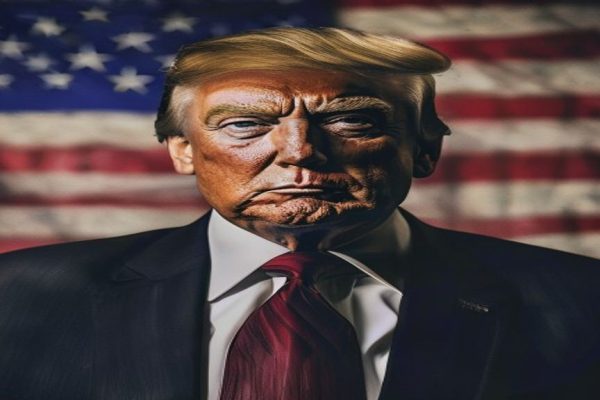
Trump’s War on Iran: A Threat to Global Trade and Economy
The escalating tensions between the United States and Iran have been a topic of concern for the global economy. A recent report from the World Trade Organization (WTO) has highlighted the potential risks of a trade war between the two nations, warning that it could lead to slower GDP growth and higher fertilizer costs.
Background and Context: The Iran-US Trade Spat
The current trade tensions between the US and Iran began in 2018 when the US withdrew from the Joint Comprehensive Plan of Action (JCPOA), also known as the Iran nuclear deal. The deal, which was negotiated by the Obama administration, had lifted sanctions on Iran in exchange for its agreement to limit its nuclear program. However, the US withdrawal from the deal led to the reimposition of sanctions on Iran, which in turn led to an increase in tensions between the two nations.
In response to the US sanctions, Iran has taken steps to increase its uranium enrichment activities, which has led to a further escalation of tensions. The US has since imposed additional sanctions on Iran, including sanctions on its oil exports, which has had a significant impact on the country’s economy.
The Potential Impact on Global Trade and Economy
The WTO report has highlighted the potential risks of a trade war between the US and Iran, warning that it could lead to slower GDP growth and higher fertilizer costs. The report notes that the US and Iran are major exporters of agricultural products, including fertilizers, and that a trade war between the two nations could disrupt global supply chains and drive up prices.
The report also notes that the US and Iran are key players in the global fertilizer market, with the US producing over 50% of the world’s fertilizer and Iran being a major exporter of urea and other fertilizers. A trade war between the two nations could lead to a shortage of fertilizers, which could have a significant impact on global food production and prices.
Key Points to Consider
- The US withdrawal from the JCPOA has led to an escalation of tensions between the US and Iran.
- A trade war between the US and Iran could lead to slower GDP growth and higher fertilizer costs.
- The US and Iran are key players in the global fertilizer market, with the US producing over 50% of the world’s fertilizer and Iran being a major exporter of urea and other fertilizers.
- A trade war between the US and Iran could disrupt global supply chains and drive up prices.
Conclusion: The Risk of a Global Trade War
The current tensions between the US and Iran pose a significant risk to global trade and economy. A trade war between the two nations could lead to slower GDP growth and higher fertilizer costs, which could have a significant impact on global food production and prices. It is essential for policymakers to take a cautious approach and seek to resolve the situation through diplomacy rather than further escalation.
The WTO report highlights the potential risks of a trade war between the US and Iran and emphasizes the need for policymakers to take a proactive approach to mitigate its impact. The report also suggests that countries should consider diversifying their trade relationships and reducing their dependence on a single market to minimize the risks of a trade war.
In conclusion, the current situation between the US and Iran poses a significant risk to global trade and economy. It is essential for policymakers to take a cautious approach and seek to resolve the situation through diplomacy rather than further escalation.
Image Prompt:
A detailed AI image generator prompt could be:
A map of the world with the US and Iran highlighted in red, surrounded by a circle of trade routes and supply chains. In the background, a graph showing the impact of a trade war on global GDP growth and fertilizer prices. The image should convey a sense of global interconnectedness and the potential risks of a trade war.
Category: Business






Leave a Reply