F1’s Evolving Era: A Double-Edged Sword
The world of Formula One (F1) has been abuzz with the recent introduction of new car designs, aimed at enhancing the racing experience for fans and improving safety features. However, the move has sparked a heated debate among F1 enthusiasts, with some hailing it as a groundbreaking innovation and others lamenting the loss of the sport’s traditional charm.
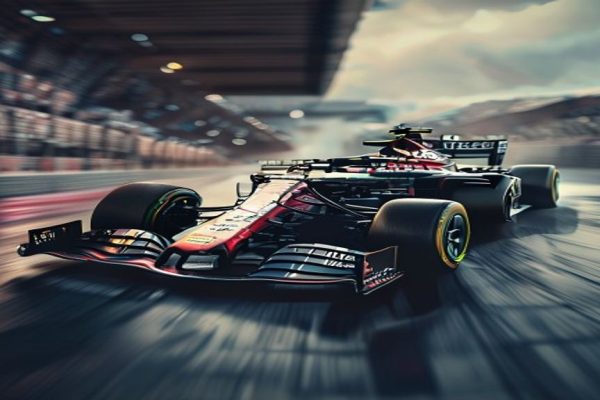
At the heart of the controversy lies the dramatic shift in car aesthetics, which has drawn comparisons to futuristic spacecraft rather than high-performance racing machines. The new designs, characterized by sleeker profiles, aggressive angles, and larger wings, have undoubtedly added a touch of drama to the sport. However, critics argue that these changes have compromised the very essence of F1, prioritizing show over substance.
The Tug-of-War Between Spectacle and Substance
F1’s bosses are caught in the middle of this debate, recognizing the superficial appeal of the back-and-forth racing, but concerned about what the new cars are doing to the sport they grew up loving. They are torn between the need to innovate and the responsibility to preserve the sport’s heritage. The delicate balance between spectacle and substance has always been a defining characteristic of F1, and the current situation is no exception.
On one hand, the new car designs have undoubtedly captivated fans worldwide, drawing in new viewers and reinvigorating the sport. The increased use of advanced materials, aerodynamic innovations, and cutting-edge technologies has raised the bar for F1, making it more exciting and unpredictable. This shift towards a more visually appealing and high-tech experience has also attracted new sponsors and partners, providing a much-needed boost to the sport’s financial stability.
However, this increased focus on spectacle has come at the expense of the sport’s core values. The loss of the characteristic ‘ugly’ cars, which were once a staple of F1, has been felt deeply by many enthusiasts. The disappearance of the distinctive sound, the raw emotion, and the sheer brutality of the old cars have left a void that cannot be easily filled. The new cars, while undeniably faster and more efficient, have sacrificed some of the raw emotion and physicality that made F1 so compelling.
The Future of F1: A Crossroads
As F1 navigates this treacherous terrain, the sport is faced with a fundamental question: what is the essence of F1? Is it the high-speed thrills, the cutting-edge technology, or the rich history and tradition? The answer lies somewhere in between, and the sport’s leaders must find a way to balance the competing demands of innovation, tradition, and fan engagement.
The current debate serves as a reminder that F1 is a dynamic, ever-evolving entity that must adapt to the changing needs and preferences of its audience. As the sport looks to the future, it must also acknowledge its past and the values that have made it so beloved. By finding a harmonious balance between spectacle and substance, F1 can ensure its continued relevance and appeal to fans worldwide.
Key Points:
• The new F1 car designs have sparked a heated debate among fans, with some hailing it as a groundbreaking innovation and others lamenting the loss of the sport’s traditional charm.
• F1’s bosses are caught in the middle of this debate, recognizing the superficial appeal of the back-and-forth racing, but concerned about what the new cars are doing to the sport they grew up loving.
• The new designs have undoubtedly added a touch of drama to the sport, but critics argue that they have compromised the very essence of F1, prioritizing show over substance.
• The sport is at a crossroads, faced with a fundamental question: what is the essence of F1?
• F1 must find a way to balance the competing demands of innovation, tradition, and fan engagement to ensure its continued relevance and appeal to fans worldwide.
As the world of F1 continues to evolve, one thing is clear: the sport’s future is uncertain, and the debate will only continue to rage on. Will F1 find a way to balance its desire for innovation with its need to preserve tradition, or will it succumb to the pressures of modernization? Only time will tell.






Leave a Reply