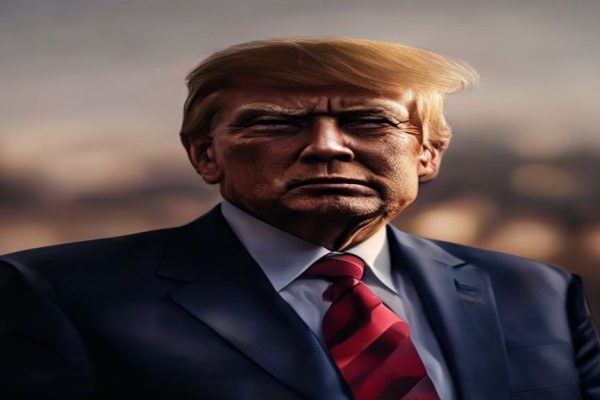
Escalating Tensions Put Global Trade at Risk
The recent surge in anti-Iranian rhetoric from President Donald Trump has sent shockwaves through the global trade community, sparking concerns about the potential impact on international commerce and economic growth. A new report from the World Trade Organization (WTO) warns that a conflict with Iran could lead to slower GDP growth, higher fertilizer costs, and increased trade tensions worldwide.
Global Trade and the Risk of War
The WTO report highlights the critical role that Iran plays in global supply chains, particularly in the energy and agricultural sectors. Iran is a major producer of petroleum and natural gas, with significant exports to countries such as China, India, and Japan. The country is also a key supplier of fertilizer, with exports of urea and other nitrogen-based fertilizers playing a crucial role in supporting global agricultural production.
A potential conflict with Iran would disrupt these supply chains, leading to increased costs and reduced availability of essential goods. This, in turn, could have a ripple effect throughout the global economy, potentially leading to slower GDP growth and increased inflation.
Trade Tensions and the Impact on Businesses
The WTO report also highlights the potential impact of trade tensions on businesses, particularly those with significant trade relationships with Iran. Companies that rely on Iranian imports or exports may face increased costs, reduced access to markets, and decreased competitiveness.
According to the report, the following sectors are most at risk:
- Energy: Iran is a major producer of petroleum and natural gas, with significant exports to countries such as China, India, and Japan. A disruption to these supplies could lead to increased costs and reduced availability of energy.
- Agriculture: Iran is a key supplier of fertilizer, with exports of urea and other nitrogen-based fertilizers playing a crucial role in supporting global agricultural production.
- Manufacturing: Companies that rely on Iranian imports or exports may face increased costs, reduced access to markets, and decreased competitiveness.
What’s Next?
The WTO report highlights the need for caution and diplomacy in the face of escalating tensions with Iran. The organization is urging governments to take steps to mitigate the impact of trade tensions on businesses and the broader economy.
Meanwhile, businesses are bracing for the worst, with many companies already taking steps to diversify their supply chains and reduce their reliance on Iranian imports and exports. As the situation continues to unfold, one thing is clear: the potential impact of a conflict with Iran on global trade and economic growth cannot be ignored.
Key points:
- A potential conflict with Iran could lead to slower GDP growth, higher fertilizer costs, and increased trade tensions worldwide.
- Iran plays a critical role in global supply chains, particularly in the energy and agricultural sectors.
- Businesses that rely on Iranian imports or exports may face increased costs, reduced access to markets, and decreased competitiveness.
- The WTO is urging governments to take steps to mitigate the impact of trade tensions on businesses and the broader economy.
Image prompt: A dramatic image of a world map with a red ‘X’ marked over Iran, surrounded by swirling clouds of chaos and uncertainty. In the background, a faint image of a trade ship sailing through choppy waters, with the words ‘Global Trade at Risk’ emblazoned across the top.






Leave a Reply