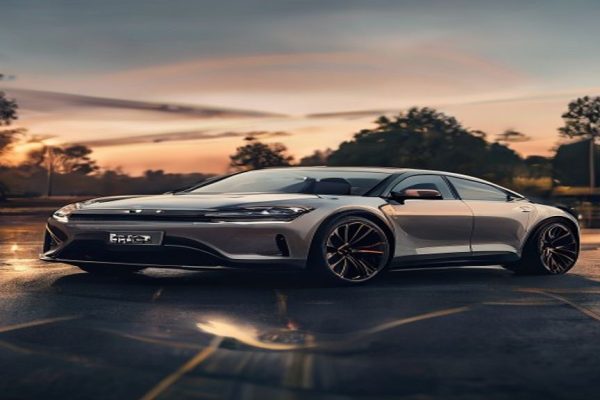
The Rise of Hybrid Vehicles: A Climate-Friendly Solution?
Hybrid vehicles, particularly plug-in hybrids, have gained significant attention in recent years due to their potential to reduce greenhouse gas emissions and mitigate the impact of climate change. These vehicles combine a conventional internal combustion engine with an electric motor, allowing them to run on electric power alone for short distances. However, a recent study has shed light on a disturbing trend that undermines the climate benefits of plug-in hybrid vehicles.
The Uncomfortable Truth: Owners Rarely Plug In
A study conducted by a leading environmental organization found that plug-in hybrid owners rarely actually plug in their vehicles, effectively negating the climate advantages of the technology. The study revealed that most plug-in hybrid owners rely heavily on their internal combustion engines, using their electric motors for only short periods or when the battery is fully charged. This behavior significantly reduces the overall environmental benefits of these vehicles.
Why Do Owners Fail to Plug In?
So, why do plug-in hybrid owners fail to take full advantage of their vehicles’ electric capabilities? There are several reasons for this phenomenon. One major factor is the lack of charging infrastructure in many areas. Without convenient and accessible charging stations, owners are less likely to plug in their vehicles. Additionally, the high upfront cost of plug-in hybrid vehicles means that many owners may be hesitant to invest in a vehicle that may not provide significant cost savings.
The Future of Hybrid Vehicles: A Call to Action
The study’s findings should serve as a wake-up call for the automotive industry and policymakers. To maximize the climate benefits of hybrid vehicles, we need to address the infrastructure and cost barriers that prevent owners from using their electric capabilities. This can be achieved through investments in charging infrastructure, tax incentives for plug-in hybrid owners, and education campaigns to raise awareness about the benefits of electric vehicles.
As the world continues to grapple with the challenges of climate change, it is imperative that we prioritize sustainable transportation solutions. By understanding the limitations of plug-in hybrid vehicles and working to address these issues, we can create a more environmentally friendly and equitable transportation system for all.
- The study found that plug-in hybrid owners rarely actually plug in their vehicles, negating the climate advantages of the technology.
- The lack of charging infrastructure and high upfront cost are major factors contributing to this phenomenon.
- Investments in charging infrastructure, tax incentives, and education campaigns are necessary to maximize the climate benefits of hybrid vehicles.
Conclusion
The hybrid hype surrounding plug-in hybrid vehicles has been somewhat of a myth. While these vehicles have the potential to reduce greenhouse gas emissions, the reality is that owners rarely take full advantage of their electric capabilities. By understanding the limitations of plug-in hybrid vehicles and working to address these issues, we can create a more sustainable and environmentally friendly transportation system for all.






Leave a Reply