F1’s Growing Conundrum: Preserving Racing Tradition Amidst Technological Advancements
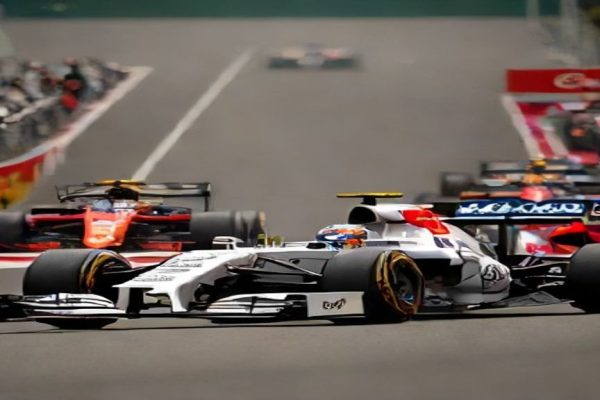
The world of Formula 1 (F1) has been abuzz with the introduction of new cars that promise to revolutionize the sport. While the high-speed racing has always been a cornerstone of F1’s appeal, the latest technological advancements have sparked a heated debate among fans, teams, and even the sport’s governing bodies. At the center of this controversy is the perceived loss of authenticity in racing, as the new cars seem to prioritize superficial speed over genuine competition.
As the F1 season unfolds, teams and drivers are being forced to adapt to the new regulations, which have significantly altered the aerodynamic and engine characteristics of the cars. While the faster speeds and enhanced downforce are undoubtedly thrilling to watch, the changes have also led to a marked decrease in overtaking and passing opportunities, a key aspect of what makes F1 so beloved by fans.
The Human Factor: Drivers Weigh In on the Controversy
F1 drivers, who have spent countless hours honing their skills and developing a deep understanding of the sport, are among the most vocal critics of the new cars. Many have expressed concerns that the increased reliance on technology has led to a loss of raw driving skill and a diminished emphasis on driver input.
“The cars are so fast and the downforce is so strong, it’s becoming more about the car than the driver,” said Charles Leclerc, Ferrari driver and 2022 Monaco Grand Prix winner. “As a driver, you feel like you’re not in control of the car as much as you used to be. It’s a concern for all of us, because we want to be able to compete and overtake on merit, not just because of the car’s performance.”
The Economic Imperative: Teams Face Financial Pressures Amidst Regulatory Changes
Beyond the on-track implications, the new cars have also created significant financial challenges for F1 teams. The increased complexity and cost of developing and maintaining these high-tech machines have put a strain on team budgets, making it difficult for smaller outfits to compete with the likes of Ferrari, Mercedes, and Red Bull.
In a bid to stay afloat, some teams have opted to adopt a more conservative approach, focusing on reliability and consistency rather than pushing the boundaries of innovation. This has led to a more homogenized field, where the top teams have a significant advantage over their competitors.
A Call to Action: F1’s Future Depends on Finding a Balance Between Technology and Tradition
As the F1 community continues to grapple with the implications of the new cars, there is a growing recognition that the sport must find a balance between technological advancements and the preservation of its core values. This requires a collaborative effort between teams, drivers, and the sport’s governing bodies to ensure that the interests of fans, teams, and drivers are equally represented.
The future of F1 hangs in the balance, and the decisions made in the coming months will have far-reaching consequences for the sport. As the debate rages on, one thing is clear: the world of F1 must adapt to the changing landscape, but it must do so in a way that respects the traditions and values that have made the sport so beloved for generations.
- The new F1 cars have sparked a heated debate over their impact on the sport’s authenticity and competitiveness.
- Drivers are expressing concerns that the increased reliance on technology has led to a loss of raw driving skill and diminished emphasis on driver input.
- Teams face financial pressures amidst regulatory changes, with smaller outfits struggling to compete with the likes of Ferrari, Mercedes, and Red Bull.
- F1’s future depends on finding a balance between technological advancements and the preservation of its core values.
As the F1 community continues to navigate this complex landscape, one thing is certain: the sport’s future will be shaped by the decisions made in the coming months. Will F1 find a way to balance innovation and tradition, or will the sport be forever changed by the introduction of these new cars?







Leave a Reply