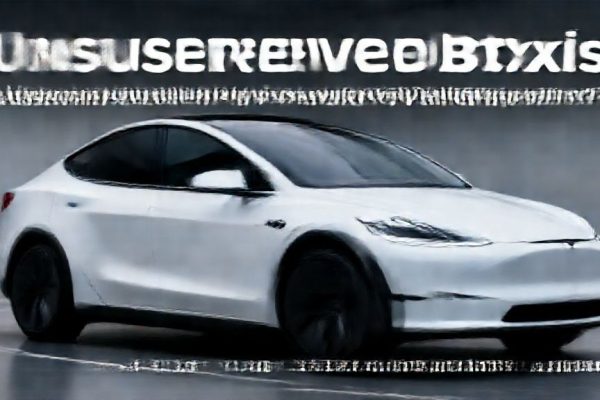
Tesla’s Ambitious Push into Autonomous Driving
Tesla’s recent announcement that its robotaxis will now operate without human supervision has sent shockwaves throughout the tech and automotive industries. The move marks a significant milestone in the development of autonomous driving technology, but it also raises crucial questions about safety, regulatory frameworks, and public acceptance.
Elon Musk’s Enthusiasm, But Questions Remain
Elon Musk, Tesla’s CEO, celebrated the milestone, highlighting the potential benefits of increased safety, reduced traffic congestion, and enhanced mobility for the elderly and disabled. However, the extent to which Tesla’s robotaxis will be available to the public remains unclear. The company has not provided a specific timeline for when these vehicles will be deployed on a large scale or how they will be integrated into existing transportation systems.
Regulatory Hurdles and Public Concerns
The development of autonomous vehicles has been a subject of intense regulatory scrutiny in recent years. As Tesla pushes forward with its robotaxis, it must navigate a complex web of federal and state laws, as well as industry standards and guidelines. The National Highway Traffic Safety Administration (NHTSA) and the Federal Aviation Administration (FAA) have established guidelines for the testing and deployment of autonomous vehicles, but the regulatory landscape remains uncertain and subject to change.
Public concerns about safety and accountability are also likely to impact the adoption of Tesla’s robotaxis. While autonomous vehicles have been shown to reduce accidents caused by human error, there are still concerns about the potential for system failures, cyber attacks, and other unforeseen risks. As a result, regulators may impose strict requirements for the testing and deployment of autonomous vehicles, including the need for human oversight and emergency response systems.
The Future of Transportation: Opportunities and Challenges
Tesla’s unsupervised robotaxis represent a revolutionary leap forward in the development of autonomous driving technology, but they also highlight the challenges and uncertainties that lie ahead. As the industry continues to evolve, it is likely that we will see increased investment in research and development, as well as the establishment of new partnerships and collaborations between industries.
The benefits of autonomous vehicles are numerous, from increased mobility and reduced traffic congestion to enhanced safety and reduced emissions. However, there are also significant challenges to be addressed, including regulatory frameworks, public acceptance, and the need for high-speed internet connectivity and data storage.
Key Points to Watch:
- Tesla’s robotaxis will operate without human supervision, but the company has not provided a specific timeline for deployment.
- Regulatory frameworks and industry standards will play a crucial role in shaping the development and deployment of autonomous vehicles.
- Public concerns about safety and accountability will impact the adoption of autonomous vehicles.
- The benefits of autonomous vehicles include increased mobility, reduced traffic congestion, and enhanced safety.
A New Era in Transportation: The Road Ahead
Tesla’s unsupervised robotaxis mark a significant milestone in the development of autonomous driving technology. While there are still challenges to be addressed, the potential benefits of this technology are undeniable. As we move forward, it is essential that we prioritize research and development, regulatory clarity, and public education to ensure a smooth transition to a more autonomous and efficient transportation system.
With Tesla at the forefront of this revolution, the future of transportation looks brighter than ever. Will we see a world where robotaxis are the norm, or will regulatory hurdles and public concerns slow the pace of progress? One thing is certain – the future of transportation will be shaped by the innovations and challenges of today.
As we look to the future, it is essential that we prioritize collaboration and coordination between industries, governments, and stakeholders. By working together, we can create a transportation system that is safer, more efficient, and more environmentally friendly.
In the words of Elon Musk, ‘we are at the dawn of a new era in transportation.’ Let us seize this opportunity to create a brighter, more sustainable future for all.






Leave a Reply