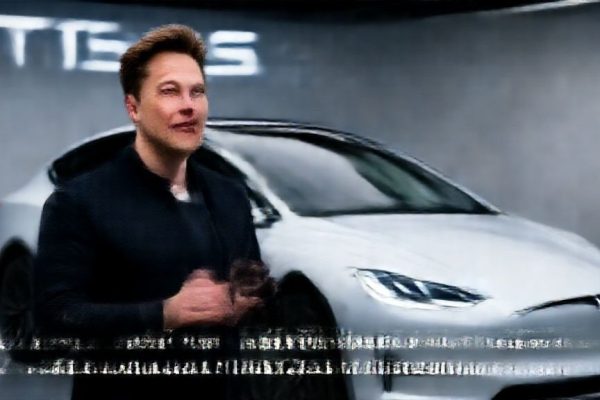
Elon Musk’s Ambitious Push for Autonomous Ride-Sharing
Elon Musk, the visionary CEO of Tesla, marked a significant milestone in the development of self-driving technology, but experts warn that the path to widespread adoption is fraught with challenges.
The recent breakthrough, which allows Teslas to operate unsupervised, has sparked excitement among fans of the electric car company. Musk, known for his ambitious goals, celebrated the achievement on social media, but the immediate future of the robotaxis remains uncertain.
The Road to Autonomous Ride-Sharing
Autonomous ride-sharing has been a long-term goal for Tesla, with Musk envisioning a future where cars can transport passengers without human intervention. This technology has the potential to revolutionize the transportation industry, increasing safety, reducing congestion, and improving air quality.
However, the journey to achieving fully autonomous vehicles has been arduous. Tesla has faced numerous setbacks, including accidents involving self-driving cars, which have raised concerns about the technology’s reliability and accountability.
Technical Hurdles and Regulatory Challenges
Despite the recent breakthrough, significant technical and regulatory hurdles remain. Autonomous vehicles require sophisticated software and hardware to detect and respond to complex scenarios, such as pedestrian crossings, road closures, and adverse weather conditions.
Moreover, governments and regulatory bodies must establish clear guidelines and standards for the deployment of autonomous vehicles, ensuring public safety and addressing liability concerns.
- The lack of standardized regulations for autonomous vehicles poses a significant challenge for companies like Tesla, which must navigate a complex web of local and national laws.
- The technology’s reliance on advanced sensors and mapping systems raises concerns about data privacy and cybersecurity.
- The need for continuous software updates and maintenance creates uncertainty around the technology’s long-term reliability.
The Future of Autonomous Ride-Sharing
Despite the challenges, experts predict that autonomous ride-sharing will become a reality in the coming years. Companies like Uber and Lyft are investing heavily in self-driving technology, and governments are beginning to establish the necessary infrastructure.
As the industry continues to evolve, it is likely that we will see a gradual introduction of autonomous vehicles, starting with controlled environments like dedicated lanes or designated areas.
The potential benefits of autonomous ride-sharing are vast, from reducing traffic congestion and emissions to increasing mobility for the elderly and disabled.
However, it is crucial that companies like Tesla prioritize public safety and address the technical and regulatory hurdles that remain. By doing so, they can ensure that the vision of autonomous ride-sharing becomes a reality that benefits society as a whole.
In the meantime, Musk’s latest breakthrough serves as a reminder of the power of innovation and the importance of perseverance in the face of adversity.
As the industry continues to push the boundaries of what is possible, one thing is clear: the future of transportation is autonomous, and it’s coming sooner than you think.






Leave a Reply