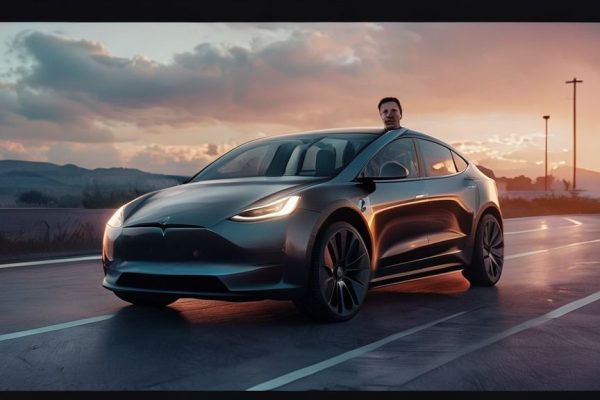
Groundbreaking Achievement in Autonomous Transportation
Tesla has reached a significant milestone in the development of its autonomous robotaxis, marking a major breakthrough in the company’s ambitious bid to revolutionize the transportation industry. Elon Musk, the electric vehicle and clean energy pioneer, celebrated this achievement, but questions remain about how many individuals will be able to ride in these unsupervised vehicles in the near future.
A Brief History of Tesla’s Quest for Autonomy
Tesla has been working towards achieving full autonomy for years, pouring significant resources into the development of its Autopilot technology. This system has undergone numerous iterations, with each update bringing improvements in safety and functionality. The company’s goal is to create a fully autonomous transportation network, where vehicles can safely transport passengers without human intervention.
However, the journey to achieving this goal has not been without its challenges. Tesla has faced criticism and scrutiny from regulators and safety experts, who have raised concerns about the potential risks associated with autonomous vehicles. Despite these challenges, the company remains committed to its vision of a future where autonomous transportation is the norm.
What Does This Milestone Mean for the Future of Transportation?
- Improved Safety: Autonomous vehicles are designed to reduce the risk of accidents caused by human error, such as distracted driving or reckless behavior.
- Increased Mobility: Self-driving cars can transport passengers who may not have access to vehicles or may be unable to drive themselves, such as the elderly or those with disabilities.
- Enhanced Productivity: With the ability to work or relax during their commute, passengers can make the most of their time, leading to increased productivity and a better quality of life.
- New Business Opportunities: Autonomous transportation could create new industries and job opportunities, such as driverless taxi services or package delivery.
While this milestone is significant, it’s essential to acknowledge the complexity of the challenges still ahead. Ensuring the safe deployment of autonomous vehicles will require continued investment in research and development, as well as collaboration between industry stakeholders, regulators, and the public.
Facing the Future: Regulatory Frameworks and Public Acceptance
As Tesla pushes forward with its autonomous robotaxis, the company will need to navigate the intricacies of regulatory frameworks and public acceptance. Governments and regulatory bodies will play a crucial role in shaping the future of autonomous transportation, and Tesla must work closely with these stakeholders to ensure that its technology aligns with safety and regulatory standards.
Public acceptance will also be a critical factor in the widespread adoption of autonomous vehicles. Educating the public about the benefits and potential risks of autonomous transportation will be essential in building trust and confidence in these vehicles.
In conclusion, Tesla’s milestone in autonomous robotaxis represents a significant step forward in the company’s bid to revolutionize the transportation industry. While challenges lie ahead, the potential benefits of autonomous transportation are vast, and the company’s commitment to this technology is a testament to its vision for a safer, more efficient, and more sustainable future.
Image Prompt: A futuristic illustration of a Tesla robotaxi navigating through a busy city, with passengers relaxing or working in the backseat. The vehicle is fully autonomous, with a sleek and modern design that exudes confidence and reliability. The background is a cityscape at sunset, with towering skyscrapers and bustling streets.






Leave a Reply