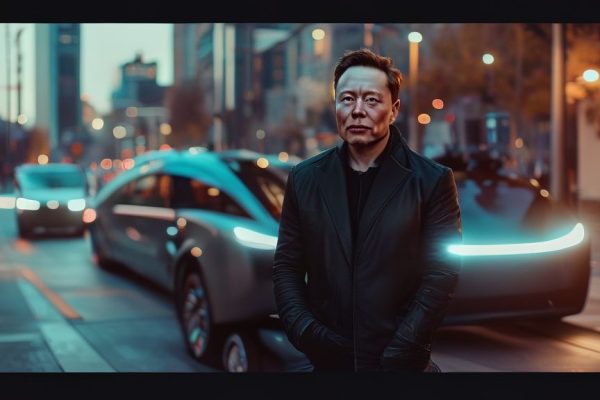
Historic Milestone in Autonomous Vehicle Technology
Elon Musk, the CEO of Tesla, has announced a significant breakthrough in autonomous vehicle technology, unveiling unsupervised robotaxis that can operate without human intervention. This development marks a major milestone in the industry, with far-reaching implications for transportation, safety, and the environment.
During a recent press conference, Musk celebrated the achievement, highlighting the potential for increased mobility, reduced traffic congestion, and improved air quality. However, the company is yet to reveal how many people will be able to ride in these unsupervised robotaxis in the immediate future.
The development of unsupervised robotaxis is the result of years of research and testing, with Tesla’s AI team working tirelessly to perfect the technology. The company has made significant strides in recent years, with its Full Self-Driving (FSD) beta version demonstrating impressive capabilities in navigating complex road scenarios.
The unsupervised robotaxis, which will be integrated into Tesla’s existing network of vehicles, will use a combination of cameras, sensors, and AI algorithms to detect and respond to their surroundings. This technology has the potential to revolutionize the way we travel, making transportation faster, safer, and more efficient.
However, there are still several challenges that need to be addressed before unsupervised robotaxis can become a reality. Regulatory frameworks must be put in place to ensure public safety and address liability concerns. Additionally, the technology requires further refinement to handle complex scenarios, such as construction zones, pedestrian-heavy areas, and inclement weather.
Despite these challenges, the potential benefits of unsupervised robotaxis are immense. According to estimates, widespread adoption could reduce traffic congestion by up to 30%, resulting in significant time savings and improved air quality. Furthermore, the technology has the potential to increase mobility for the elderly and disabled, providing them with greater independence and freedom.
As the world moves closer to a future with unsupervised robotaxis, it is essential to address the social and economic implications of this technology. Governments and policymakers must work together to create a regulatory framework that balances public safety with innovation and progress. Additionally, the industry must prioritize diversity and inclusion, ensuring that the benefits of this technology are shared by all.
Key Points to Consider
- Unsupervised robotaxis have the potential to revolutionize transportation, making it faster, safer, and more efficient.
- Regulatory frameworks must be put in place to ensure public safety and address liability concerns.
- The technology requires further refinement to handle complex scenarios, such as construction zones and inclement weather.
- Widespread adoption could reduce traffic congestion by up to 30%, resulting in significant time savings and improved air quality.
- The technology has the potential to increase mobility for the elderly and disabled, providing them with greater independence and freedom.
The Road Ahead
As Tesla and other companies continue to push the boundaries of autonomous vehicle technology, it is essential to remain vigilant and address the challenges that lie ahead. By working together, we can create a future where unsupervised robotaxis are safe, efficient, and accessible to all.
The future of transportation is exciting and uncertain, but one thing is clear: unsupervised robotaxis are just the beginning. As we embark on this journey, we must prioritize innovation, safety, and inclusivity, creating a world where technology serves humanity, not the other way around.






Leave a Reply