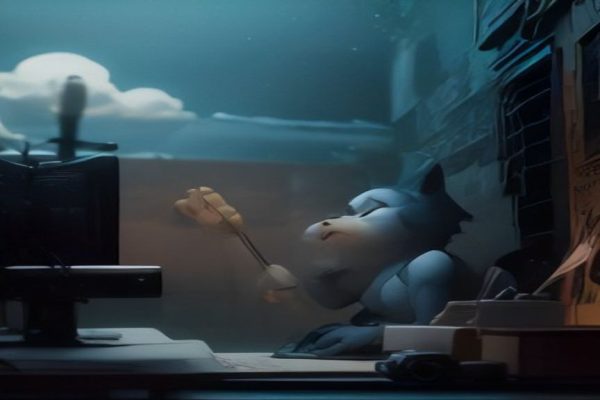
A Long Overdue Recognition for the Art of Animation
The world of animation has long been regarded as a niche industry, often overshadowed by its live-action counterparts. Despite the groundbreaking work of pioneers such as Walt Disney and Hayao Miyazaki, animation continues to be perceived as a secondary form of storytelling. However, this notion is slowly changing, with a growing number of industry professionals advocating for the art of animation to be recognized as a legitimate form of cinema.
One of the key figures to have contributed to this shift in perception is none other than the acclaimed director Guillermo del Toro. In 2014, del Toro made headlines when he declared, “Animation is cinema” during his acceptance speech at the Academy Awards. This statement marked a pivotal moment in the industry’s evolution, as it challenged the long-held notion that animation was somehow less legitimate than live-action filmmaking.
The Evolution of Animation: From Humble Beginnings to Mainstream Success
The history of animation is a rich and diverse one, spanning over a century. From the early days of hand-drawn cartoons to the advent of computer-generated imagery (CGI), the art form has undergone significant transformations over the years. One of the most notable milestones in animation’s history was the release of Disney’s Snow White and the Seven Dwarfs in 1937. This groundbreaking film marked the first full-length animated feature, and it paved the way for future generations of animators.
The 1980s saw the emergence of a new wave of animators, who pushed the boundaries of the medium with their innovative storytelling and visual styles. Directors such as Hayao Miyazaki and Isao Takahata, who co-founded Studio Ghibli, brought a unique perspective to the world of animation. Their films, such as Spirited Away and Grave of the Fireflies, not only captivated audiences but also garnered critical acclaim.
- Spirited Away (2001) – a fantasy adventure that won the Academy Award for Best Animated Feature
- Grave of the Fireflies (1988) – a poignant drama that explores the human cost of war
- The Lion King (1994) – a timeless classic that has become a cultural phenomenon
The Future of Animation: A Bright and Vibrant Horizon
As the animation industry continues to evolve, it is clear that the future holds much promise. With advancements in technology and the rise of streaming platforms, animators now have access to a wider range of creative tools and distribution channels. This has enabled a new generation of animators to experiment with innovative styles and storytelling techniques, resulting in a diverse range of animated films and series.
One of the most significant trends in animation today is the rise of adult-oriented content. Shows such as BoJack Horseman and Castlevania have pushed the boundaries of what is considered acceptable in animation, tackling complex themes and mature subject matter. This shift towards more mature content has not only attracted a new audience but also paved the way for greater creative freedom.
As the world of animation continues to grow and evolve, it is clear that it will remain a vital and vibrant part of the cinematic landscape. With its ability to captivate audiences and transport them to new worlds, animation will continue to be a beloved art form for generations to come.
As Guillermo del Toro so eloquently put it, “Animation is cinema.” It is time for the industry to recognize this valuable contribution to the world of storytelling and to celebrate the art of animation in all its forms.







Leave a Reply