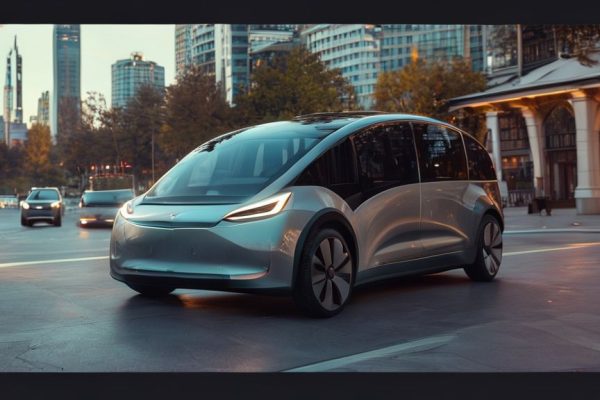
Tesla’s Autonomous Robotaxis: A Major Milestone in Mobility
Tesla’s ambitious goal of developing fully autonomous vehicles has taken another significant step forward with the announcement of its unsupervised robotaxis. While the news has sent shockwaves through the tech and automotive industries, many questions remain about the practical implications and widespread adoption of this technology.
The development of autonomous vehicles has been a long-standing challenge for the tech industry, with companies like Waymo and Cruise leading the charge. However, Tesla’s approach has been unique in its focus on leveraging the company’s existing manufacturing infrastructure and software expertise to accelerate the development process.
Elon Musk, the CEO of Tesla, celebrated the milestone on social media, but tempered expectations about the immediate impact of the technology. It’s unclear how many people will be able to ride in Tesla’s robotaxis in the near future, as regulatory approvals and public acceptance will play a crucial role in determining the pace of adoption.
The Regulatory Landscape: A Key Challenge for Autonomous Robotaxis
The regulatory environment for autonomous vehicles is complex and evolving. In the United States, for example, the federal government has established guidelines for the development and deployment of autonomous vehicles, but individual states have their own set of rules and regulations. Tesla will need to navigate these varying regulatory landscapes to bring its robotaxis to market.
Additionally, concerns about safety and liability will need to be addressed. While Tesla has a strong track record of safety, the introduction of unsupervised robotaxis raises new questions about who is responsible in the event of an accident. These issues will need to be resolved through a combination of technical advancements, regulatory changes, and public education.
The Future of Mobility: Opportunities and Challenges
The widespread adoption of autonomous vehicles like Tesla’s robotaxis has the potential to transform the way we live and travel. Imagine a future where you can hop in a self-driving car and travel to work, school, or a social event without worrying about traffic, parking, or driving fatigue.
However, this vision is still several years away, and there are many challenges that need to be overcome. These include:
- Technical advancements: The development of more sophisticated sensor systems, machine learning algorithms, and communication protocols will be necessary to ensure the safe and efficient operation of autonomous vehicles.
- Regulatory frameworks: Governments will need to create and update regulations that balance the benefits of autonomous vehicles with concerns about safety, liability, and public acceptance.
- Public education: The general public will need to be educated about the benefits and limitations of autonomous vehicles, as well as the measures that are being taken to ensure safety.
- Economic implications: The widespread adoption of autonomous vehicles could have significant economic implications, including changes to the taxi and ride-hailing industries, as well as the way we think about car ownership and personal transportation.
Despite these challenges, the potential benefits of autonomous vehicles like Tesla’s robotaxis are significant. By reducing the number of accidents on the road, improving traffic flow, and enhancing mobility for the elderly and disabled, these vehicles could have a profound impact on society.
Conclusion
The announcement of Tesla’s autonomous robotaxis marks an important milestone in the development of fully autonomous vehicles. While there are many challenges ahead, the potential benefits of this technology are significant. As the regulatory landscape evolves and public acceptance grows, we can expect to see more widespread adoption of autonomous vehicles like Tesla’s robotaxis.
For now, the focus will be on refining the technology, addressing regulatory concerns, and educating the public about the benefits and limitations of autonomous vehicles. As we move forward, one thing is clear: the future of mobility is changing, and Tesla’s robotaxis are leading the way.






Leave a Reply