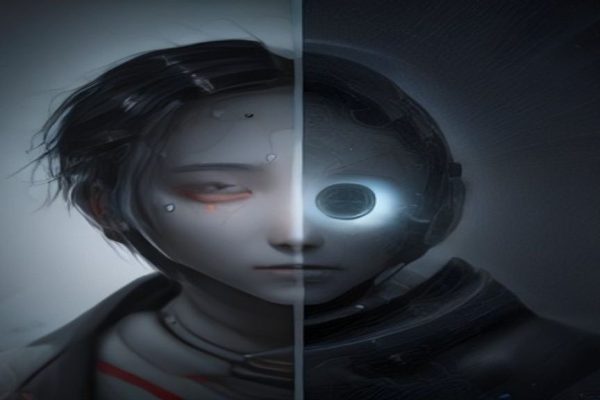
AI: A Double-Edged Sword
Artificial intelligence (AI) has been a topic of fascination and debate for several decades. While some experts hail it as a revolutionary technology that will solve some of humanity’s greatest challenges, others dismiss it as a solution in search of a problem. As AI continues to evolve and become increasingly integrated into various aspects of our lives, it’s essential to examine both sides of the argument and explore the potential applications of this technology.
The Benefits of AI
AI has the potential to transform numerous industries and improve people’s lives in various ways. Some of the benefits of AI include:
- Improved healthcare outcomes: AI can help doctors diagnose diseases more accurately and quickly, leading to better patient care and outcomes.
- Increased efficiency: AI can automate routine tasks, freeing up human resources for more complex and creative work.
- Enhanced customer experience: AI-powered chatbots and virtual assistants can provide 24/7 customer support, reducing wait times and improving overall customer satisfaction.
- Environmental sustainability: AI can help optimize energy consumption, reduce waste, and predict and prevent natural disasters.
However, AI also raises concerns about job displacement, bias, and the potential for AI systems to become uncontrollable. These risks can be mitigated by implementing strict regulations and guidelines for AI development and deployment.
The Risks of AI
While AI has the potential to solve some of humanity’s greatest challenges, it also poses significant risks. Some of the potential risks include:
- Job displacement: As AI automates routine tasks, there is a risk of significant job displacement, particularly in sectors where tasks are repetitive and can be easily automated.
- Bias and discrimination: AI systems can perpetuate existing biases and discrimination if they are trained on biased data or designed with a particular worldview.
- Uncontrollable AI: There is a risk that AI systems could become uncontrollable if they are not designed with safety protocols and fail-safes.
These risks can be mitigated by implementing regulations and guidelines for AI development and deployment, as well as investing in education and retraining programs for workers who may be displaced by AI.
The Future of AI
The future of AI is uncertain, but one thing is clear: it will continue to shape the world in profound ways. As AI technology advances, we can expect to see even more applications of AI in various industries, from healthcare and finance to education and entertainment.
However, it’s essential to approach the development and deployment of AI with caution and a critical eye. By acknowledging the potential risks and benefits of AI and working to mitigate the risks, we can ensure that AI is used to improve humanity’s lives and solve some of its greatest challenges.
Ultimately, the future of AI depends on our collective ability to navigate the complexities of this technology and use it for the greater good. As we move forward, it’s crucial to prioritize ethics, regulation, and education to ensure that AI is used to benefit humanity, not harm it.
As we continue to explore the potential of AI, we must remember that this technology is a double-edged sword. It has the potential to solve some of humanity’s greatest challenges, but it also poses significant risks. By acknowledging both sides of the argument and working to mitigate the risks, we can ensure that AI is used to improve humanity’s lives and create a brighter future for all.
Whether you view AI as a solution in search of a problem or a panacea for humanity’s greatest challenges, one thing is certain: AI will continue to shape the world in profound ways. As we move forward, it’s essential to approach this technology with caution, critical thinking, and a commitment to using it for the greater good.
The future of AI is uncertain, but one thing is clear: it will continue to transform our lives and the world around us. As we navigate the complexities of this technology, it’s crucial to prioritize ethics, regulation, and education to ensure that AI is used to benefit humanity, not harm it.
The possibilities and challenges presented by AI will continue to evolve as this technology advances. As we move forward, it’s essential to remain vigilant, adaptable, and committed to using AI to improve humanity’s lives and create a brighter future for all.
As we explore the potential of AI, we must remember that this technology is a tool, not a solution in and of itself. Its effectiveness and impact will depend on how we choose to use it. By acknowledging the potential risks and benefits of AI and working to mitigate the risks, we can ensure that AI is used to solve some of humanity’s greatest challenges and create a better world for all.
Ultimately, the future of AI is a collective responsibility. As we move forward, it’s essential to prioritize ethics, regulation, and education to ensure that AI is used to benefit humanity, not harm it. By working together, we can create a brighter future for all and ensure that AI is used to improve humanity’s lives and solve some of its greatest challenges.
The future of AI is uncertain, but one thing is clear: it will continue to shape the world in profound ways. As we navigate the complexities of this technology, it’s crucial to remain vigilant, adaptable, and committed to using AI to improve humanity’s lives and create a brighter future for all.
As we continue to explore the potential of AI, we must remember that this technology is a tool, not a solution in and of itself. Its effectiveness and impact will depend on how we choose to use it. By acknowledging the potential risks and benefits of AI and working to mitigate the risks, we can ensure that AI is used to solve some of humanity’s greatest challenges and create a better world for all.
The future of AI is a collective responsibility. As we move forward, it’s essential to prioritize ethics, regulation, and education to ensure that AI is used to benefit humanity, not harm it. By working together, we can create a brighter future for all and ensure that AI is used to improve humanity’s lives and solve some of its greatest challenges.
As we explore the potential of AI, we must remain aware of the potential risks and benefits of this technology. By acknowledging both sides of the argument and working to mitigate the risks, we can ensure that AI is used to improve humanity’s lives and create a better world for all.
Conclusion
AI is a complex and multifaceted technology that has the potential to solve some of humanity’s greatest challenges. However, it also poses significant risks, from job displacement and bias to the potential for AI systems to become uncontrollable. By acknowledging both sides of the argument and working to mitigate the risks, we can ensure that AI is used to improve humanity’s lives and create a brighter future for all.
Ultimately, the future of AI is in our hands. As we move forward, it’s essential to approach this technology with caution, critical thinking, and a commitment to using it for the greater good.
Whether you view AI as a solution in search of a problem or a panacea for humanity’s greatest challenges, one thing is certain: AI will continue to shape the world in profound ways. As we navigate the complexities of this technology, it’s crucial to prioritize ethics, regulation, and education to ensure that AI is used to benefit humanity, not harm it.
The future of AI is uncertain, but one thing is clear: it will continue to transform our lives and the world around us. As we move forward, it’s essential to remain vigilant, adaptable, and committed to using AI to improve humanity’s lives and create a brighter future for all.
As we explore the potential of AI, we must remember that this technology is a tool, not a solution in and of itself. Its effectiveness and impact will depend on how we choose to use it. By acknowledging the potential risks and benefits of AI and working to mitigate the risks, we can ensure that AI is used to solve some of humanity’s greatest challenges and create a better world for all.
The future of AI is a collective responsibility. As we move forward, it’s essential to prioritize ethics, regulation, and education to ensure that AI is used to benefit humanity, not harm it. By working together, we can create a brighter future for all and ensure that AI is used to improve humanity’s lives and solve some of its greatest challenges.
As we continue to explore the potential of AI, we must remain aware of the potential risks and benefits of this technology. By acknowledging both sides of the argument and working to mitigate the risks, we can ensure that AI is used to improve humanity’s lives and create a better world for all.






Leave a Reply