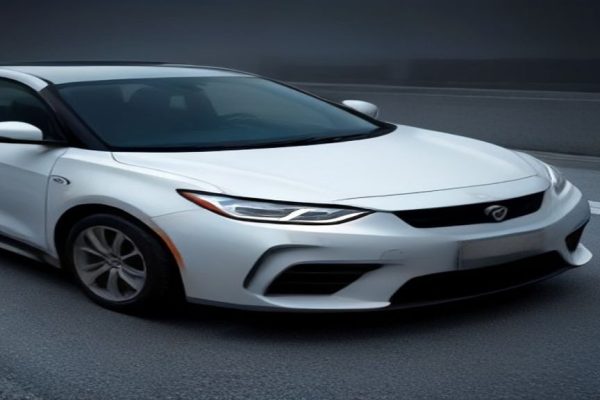
Chinese Electric Car Maker’s Autonomy Ambitions
Xinzhou Wu, a prominent figure in the Chinese electric vehicle (EV) industry, has sparked a heated debate on the need for lidar technology in autonomous vehicles. In an exclusive interview, Wu shared his thoughts on the future of autonomy, Chinese car manufacturers, and the role of lidar in achieving self-driving capabilities.
Achieving Autonomy: The Role of Lidar
Lidar, or Light Detection and Ranging, is a sensing technology that uses laser light to create high-resolution 3D maps of the environment. Its proponents argue that lidar is essential for achieving level 5 autonomy, which enables vehicles to operate without human intervention in all scenarios. However, Wu believes that lidar’s high cost and limited range make it less desirable for widespread adoption.
Wu argues that other sensing technologies, such as cameras and radar, can provide sufficient data for autonomous vehicles to operate safely. He also points to the rapid advancements in machine learning and computer vision, which have improved the accuracy and efficiency of autonomous systems. This, coupled with the increasing availability of high-quality maps and data, makes Wu optimistic about the prospects of achieving autonomy without relying on lidar.
Chinese Car Manufacturers and the Autonomy Revolution
China has emerged as a leader in the electric vehicle market, with companies like BYD, Geely, and Great Wall Motors driving innovation and investment in the sector. Xinzhou Wu believes that Chinese car manufacturers are well-positioned to lead the autonomy revolution, given their focus on electrification and their willingness to invest in new technologies.
Wu notes that Chinese car makers have a unique advantage in terms of access to data and computing resources, which enables them to develop and refine their autonomous systems more efficiently. He also points to the growing presence of Chinese companies in the global automotive supply chain, which provides them with opportunities to integrate autonomy into their vehicles.
The Future of Autonomy: Challenges and Opportunities
While Wu is optimistic about the prospects of autonomy, he acknowledges the challenges that lie ahead. He highlights the need for standardization and interoperability between different autonomous systems, as well as the importance of addressing regulatory and liability issues.
However, Wu also sees opportunities for innovation and growth in the autonomy sector. He believes that the increasing availability of autonomous vehicles will create new business models and revenue streams, such as vehicle-as-a-service and autonomous delivery services. He also points to the potential for autonomy to improve road safety and reduce traffic congestion, which will have a positive impact on urban planning and development.
Conclusion
Xinzhou Wu’s views on autonomy and lidar technology offer a unique perspective on the future of the automotive industry. As Chinese car manufacturers continue to drive innovation and investment in the sector, it will be interesting to see how the debate around lidar and autonomy plays out. One thing is certain, however – the future of transportation is rapidly evolving, and the possibilities are endless.






Leave a Reply