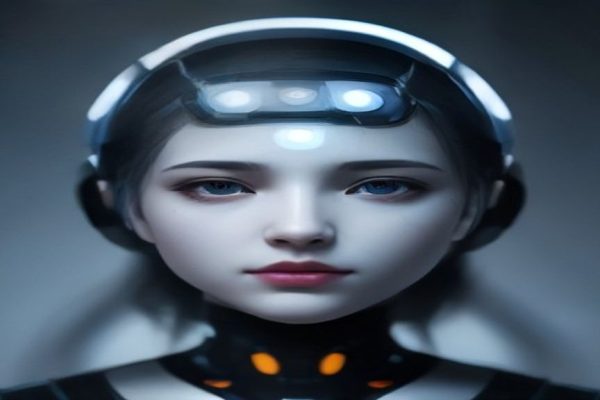
AI: A Solution in Search of a Problem?
The world of artificial intelligence (AI) has been gaining significant attention in recent years, with many experts predicting that it will revolutionize various industries and solve some of the world’s most pressing problems. However, not everyone shares this optimism. Some have questioned whether AI is indeed a solution in search of a problem, rather than a tool that can be used to address real-world issues.
The Benefits of AI
On one hand, AI has shown tremendous potential in various fields, including healthcare, finance, education, and transportation. For instance, AI-powered systems can help diagnose diseases more accurately and quickly, optimize financial transactions, personalize learning experiences, and predict traffic patterns. Furthermore, AI has the potential to automate repetitive tasks, freeing up human resources for more strategic and creative work.
The Challenges Ahead
Despite the benefits of AI, there are several challenges that need to be addressed before it can be fully realized. One of the biggest concerns is bias in AI systems, which can perpetuate existing social inequalities. For example, facial recognition systems have been shown to be less accurate for people of color, leading to concerns about racial profiling and discrimination. Additionally, AI systems can be vulnerable to cyber attacks, which can compromise sensitive information and disrupt critical infrastructure.
The Future of AI
As AI continues to evolve, it is likely to play an increasingly important role in shaping the world we live in. While it is difficult to predict exactly how AI will develop, it is clear that it will have a significant impact on various industries and aspects of our lives. For instance, AI-powered robots may become more common in healthcare, education, and transportation, while AI-driven chatbots may become the primary interface for customer service.
Key Takeaways:
- AI has the potential to solve some of the world’s most pressing problems, but it is not a panacea.
- There are several challenges that need to be addressed before AI can be fully realized, including bias and cybersecurity concerns.
- The future of AI is likely to be shaped by its ability to improve healthcare, education, and transportation, among other areas.
In conclusion, while AI is not a solution in search of a problem, it does require careful consideration and planning to ensure that its benefits are realized while minimizing its risks. By acknowledging the challenges ahead and working together to address them, we can harness the power of AI to create a better future for all.
Related Topics:
- The Benefits and Risks of AI
- How AI is Changing the World
- The Future of Artificial Intelligence
Read More: For a deeper dive into the world of AI, check out our in-depth guides and expert analysis on the topic.
Image Prompt: A futuristic cityscape with AI-powered robots and drones working together to improve the lives of citizens. In the foreground, a group of people from diverse backgrounds are shown interacting with AI-powered interfaces, highlighting the potential of AI to bridge social and cultural divides.






Leave a Reply