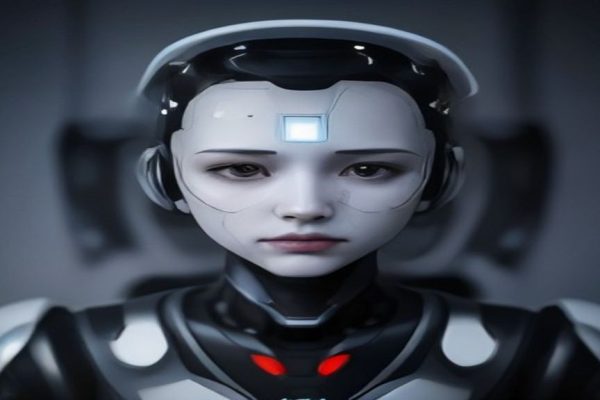
The Rise of AI: A Double-Edged Sword
The notion that AI is a solution in search of a problem has long been a subject of debate among experts and enthusiasts alike. While some view AI as a game-changer, others see it as a tool with the potential to exacerbate existing issues. The truth, however, lies somewhere in between.
Artificial intelligence has made tremendous strides in recent years, with applications ranging from healthcare and finance to transportation and education. AI-powered systems have improved efficiency, reduced costs, and enhanced decision-making capabilities in various industries. Nevertheless, critics argue that these advancements have created more problems than they have solved, particularly in areas such as job displacement and bias.
Addressing the Concerns: AI’s Potential to Solve Real-World Problems
Despite the concerns, AI has the potential to tackle some of humanity’s most pressing issues, such as climate change, poverty, and access to quality education. For instance, AI-powered climate models can help scientists better understand and predict the impact of human activities on the environment. Additionally, AI-driven systems can optimize resource allocation and distribution, leading to more efficient use of resources and reduced waste.
In the realm of education, AI can help bridge the gap in access to quality learning resources, particularly in underserved communities. AI-powered adaptive learning systems can personalize education, enabling students to learn at their own pace and improve their academic outcomes.
The Future of AI: Opportunities and Challenges
As AI continues to evolve, we can expect to see more innovative applications and solutions emerge. However, this also means that we must confront the challenges associated with AI development, deployment, and governance. Ensuring that AI systems are transparent, explainable, and fair will be crucial in building trust and mitigating potential negative consequences.
Key points to consider:
- AI has the potential to solve real-world problems, but it also raises concerns about job displacement, bias, and accountability.
- AI-powered climate models can help scientists better understand and predict the impact of human activities on the environment.
- AI-driven systems can optimize resource allocation and distribution, leading to more efficient use of resources and reduced waste.
- AI can help bridge the gap in access to quality learning resources, particularly in underserved communities.
- Ensuring that AI systems are transparent, explainable, and fair will be crucial in building trust and mitigating potential negative consequences.
As we move forward in the AI journey, it is essential to strike a balance between harnessing the benefits of AI and addressing the concerns associated with its development and deployment. By doing so, we can unlock the full potential of AI and create a better future for humanity.
In conclusion, the debate surrounding AI’s role in solving humanity’s problems is far from over. While AI has the potential to address some of our most pressing issues, it also raises important questions about accountability, transparency, and fairness. As we continue to navigate the complex landscape of AI, it is crucial to engage in open and informed discussions about the opportunities and challenges associated with this rapidly evolving field.






Leave a Reply