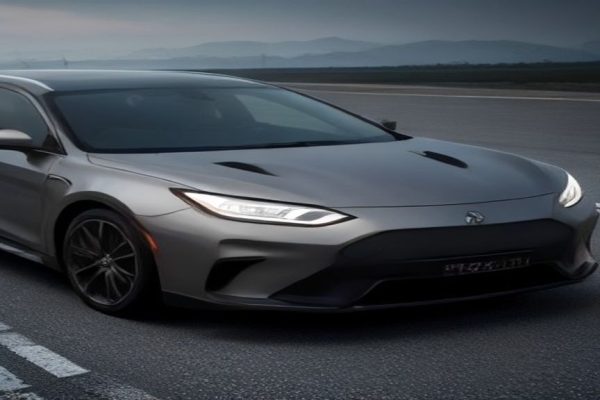
Chinese Automakers Take the Lead in Electrification and Autonomy
In a recent interview, Xinzhou Wu, a prominent figure in the Chinese automotive industry, discussed the country’s rapid advancements in electric vehicles (EVs) and autonomous driving technology. Wu highlighted the importance of electrification and autonomy in transforming the industry, with China leading the charge. The country’s focus on renewable energy sources and government incentives has driven the adoption of EVs, making them a significant portion of new car sales.
The Role of Lidar in Autonomous Vehicles
Lidar (Light Detection and Ranging) technology has been a crucial component in the development of autonomous vehicles. However, Wu questioned the necessity of lidar in every autonomous car, suggesting that alternative solutions, such as cameras and radar, could be more cost-effective and efficient. This stance has sparked debate in the industry, with some experts arguing that lidar provides unparalleled accuracy and safety in complex driving scenarios.
Autonomous Driving in China: Challenges and Opportunities
China’s vast infrastructure and population create a unique environment for autonomous vehicle testing and deployment. Wu acknowledged the challenges of navigating complex urban landscapes, but also emphasized the potential benefits of autonomous driving in reducing congestion and improving air quality. The Chinese government has established several pilot projects, including the Shanghai Autonomous Driving Demonstration Zone, to test and refine autonomous driving technology.
Implications for the Global Automotive Industry
The Chinese automotive industry’s focus on electrification and autonomy has significant implications for global manufacturers. As the world’s largest market, China’s adoption of EVs and autonomous technology will influence the industry’s direction and investment strategies. Wu’s comments on the role of lidar in autonomous vehicles also raise questions about the future of this technology and its potential alternatives.
Key Takeaways:
- China leads the world in electric vehicle adoption and autonomous driving technology.
- Xinzhou Wu questions the necessity of lidar in every autonomous car, suggesting alternative solutions.
- China’s vast infrastructure and population create a unique environment for autonomous vehicle testing and deployment.
The conversation around autonomous driving and lidar technology highlights the complexities and challenges of transforming the automotive industry. As the world’s largest market, China’s adoption of EVs and autonomous technology will shape the industry’s future and influence global manufacturers’ strategies.






Leave a Reply