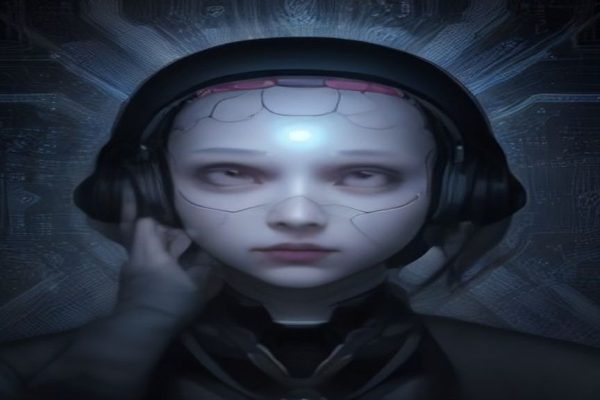
The AI Revolution: A Solution to the World’s Most Pressing Problems?
Artificial Intelligence (AI) has long been touted as the solution to a multitude of problems plaguing humanity. From healthcare and education to transportation and energy, AI-powered innovations have the potential to revolutionize the way we live and work. However, not everyone is convinced that AI is the answer to our prayers.
The Skeptics’ Stance
Detractors of AI argue that the technology is being overhyped and that it’s a solution in search of a problem. They point to the many instances where AI has failed to deliver on its promises, from self-driving cars that have crashed on public roads to AI-powered chatbots that have spewed out hate speech and misinformation.
However, proponents of AI counter that the technology is still in its infancy and that we need to give it time to mature. They argue that the potential benefits of AI, such as increased efficiency, productivity, and innovation, far outweigh the risks. And, they point out, AI is not a replacement for human intelligence, but rather a tool that can augment and augment human capabilities.
The List of Problems Waiting for AI-Powered Salvation
So, what are some of the pressing problems that AI can help solve? Here are just a few examples:
- Healthcare:** AI can help doctors diagnose diseases more accurately and quickly, reduce medical errors, and improve patient outcomes.
- Education:** AI can help personalize learning experiences for students, improve teacher efficiency, and make education more accessible and affordable.
- Transportation:** AI can help improve traffic flow, reduce congestion, and make transportation more efficient and safe.
- Energy:** AI can help optimize energy consumption, reduce waste, and improve the efficiency of renewable energy sources.
- Environmental Conservation:** AI can help monitor and mitigate the effects of climate change, improve conservation efforts, and reduce waste.
The Future of AI: Opportunities and Challenges
As AI continues to evolve and mature, we can expect to see even more innovative applications of the technology. However, we must also acknowledge the challenges and risks associated with AI, including job displacement, bias, and cybersecurity threats.
To mitigate these risks, we need to invest in AI education and training programs that prepare workers for an AI-driven economy. We also need to develop and implement AI governance frameworks that ensure the technology is used responsibly and for the benefit of all.
In conclusion, while AI may not be a silver bullet solution to all of humanity’s problems, it has the potential to make a significant impact in many areas. By acknowledging the challenges and opportunities associated with AI, we can harness its power to create a better future for all.
Key Takeaways:
- AI has the potential to solve a multitude of problems plaguing humanity.
- AI is still in its infancy and needs time to mature.
- The benefits of AI, such as increased efficiency and productivity, far outweigh the risks.
- AI is not a replacement for human intelligence, but rather a tool that can augment human capabilities.
- We need to invest in AI education and training programs to prepare workers for an AI-driven economy.
- We need to develop and implement AI governance frameworks to ensure the technology is used responsibly and for the benefit of all.
Image Prompt: A futuristic cityscape with flying cars, self-driving vehicles, and towering skyscrapers. In the foreground, a humanoid robot is shown interacting with a human, highlighting the potential for AI to augment human capabilities.






Leave a Reply