Autonomous Vehicle Expert Xinzhou Wu Shares Insights on the State of Chinese Automotive Industry
Xinzhou Wu, a renowned expert in autonomous vehicles, recently shared his thoughts on the current state of the Chinese automotive industry. In a candid interview, Wu discussed the importance of autonomy in modern vehicles, the role of lidar technology in achieving true autonomy, and the future of Chinese electric cars.
The Rise of Autonomous Vehicles in China
China has been at the forefront of the autonomous vehicle revolution, with numerous startups and established players investing heavily in research and development. According to Wu, the country’s focus on autonomy is driven by a desire to improve road safety and reduce congestion in urban areas. “Autonomous vehicles have the potential to significantly reduce accidents and improve mobility for the elderly and disabled,” he explained.
However, Wu also noted that China’s push for autonomy has been hindered by regulatory challenges and a lack of standardized testing protocols. “The regulatory framework for autonomous vehicles in China is still in its early stages, and it will take time for the industry to develop and refine the necessary standards,” he said.
The Role of Lidar Technology in Autonomous Vehicles
Lidar technology, which uses laser light to create high-resolution 3D maps of the environment, has been a key component in the development of autonomous vehicles. Wu emphasized the importance of lidar in achieving true autonomy, citing its ability to detect and respond to complex scenarios. “Lidar provides a level of precision and accuracy that is unmatched by other sensors, and it is essential for vehicles to navigate challenging environments such as construction zones and pedestrian-heavy areas,” he said.
However, Wu also acknowledged the limitations of lidar technology, particularly in situations where the sensor is blocked or obscured. “While lidar is an incredibly powerful tool, it is not foolproof, and vehicles must be designed to adapt to changing conditions and environments,” he noted.
The Future of Chinese Electric Cars
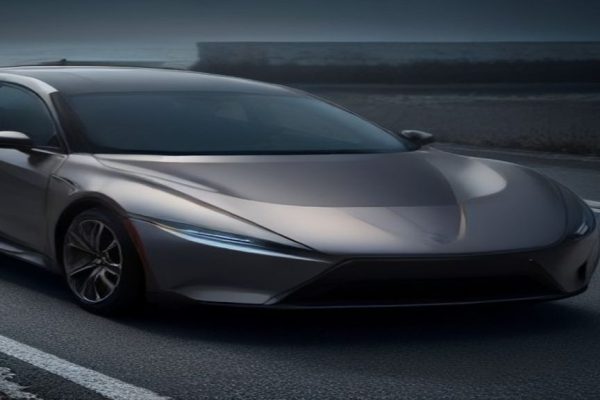
As the world transitions towards electric vehicles, China has emerged as a leader in the development and production of EVs. Wu predicted that Chinese electric cars will become increasingly sophisticated, with advanced autonomy and connectivity features becoming standard. “The next generation of Chinese electric cars will be designed with autonomy and connectivity in mind, and they will offer a level of convenience and luxury that is unmatched by traditional gasoline-powered vehicles,” he said.
In conclusion, Xinzhou Wu’s insights provide a unique perspective on the current state of the Chinese automotive industry and the future of autonomous vehicles. As the industry continues to evolve, it will be interesting to see how China’s focus on autonomy and lidar technology impacts the global market.
Key Takeaways:
- Xinzhou Wu believes that autonomy is crucial for improving road safety and reducing congestion in urban areas.
- Lidar technology is essential for achieving true autonomy, but it has limitations and must be designed to adapt to changing conditions.
- Chinese electric cars will become increasingly sophisticated, with advanced autonomy and connectivity features becoming standard.






Leave a Reply