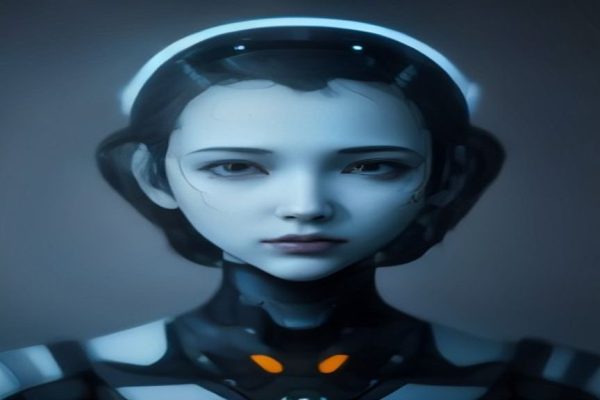
Introduction to AI-Powered Solutions
In the realm of technology, a common refrain is that Artificial Intelligence (AI) is a solution in search of a problem. However, this stance overlooks the vast array of challenges that AI can tackle, from healthcare to climate change. As the world grapples with an increasing list of complex issues, it becomes clear that AI-powered solutions are not only a possibility but a necessity.
The Problems That AI Can Solve
From disease diagnosis and treatment to climate modeling and disaster response, AI has the potential to revolutionize the way we approach these pressing issues. In healthcare, AI-powered systems can analyze vast amounts of medical data to identify patterns and make predictions about patient outcomes. This can lead to more accurate diagnoses, better treatment options, and improved patient care.
In the realm of climate change, AI can be used to analyze vast amounts of data from sensors and other sources to predict weather patterns, track climate trends, and identify areas most vulnerable to natural disasters. This information can then be used to inform policy decisions, optimize resource allocation, and develop more effective climate change mitigation strategies.
AI can also be used to tackle complex social issues such as poverty, education, and inequality. For example, AI-powered systems can be used to analyze data on poverty rates, identify areas of high poverty, and develop targeted interventions to address these issues. Similarly, AI can be used to personalize education, making it more effective and accessible to students from all backgrounds.
The Benefits and Challenges of AI-Powered Solutions
While AI-powered solutions hold tremendous promise, they also come with a range of challenges and benefits. On the benefits side, AI can help to improve efficiency, accuracy, and speed in a wide range of applications. It can also help to reduce costs, increase productivity, and create new opportunities for economic growth.
However, AI also raises a range of challenges, from concerns about job displacement and bias in AI systems to issues related to data security and privacy. As AI becomes increasingly integrated into our daily lives, it is essential that we prioritize transparency, accountability, and responsibility in the development and deployment of AI-powered solutions.
The Future of AI-Powered Solutions
As the world continues to grapple with an increasingly complex array of challenges, it is clear that AI-powered solutions will play an increasingly important role in helping us address these issues. From healthcare to climate change, poverty to education, AI has the potential to make a real difference in people’s lives.
However, realizing this potential will require a concerted effort from governments, businesses, and individuals around the world. It will also require a willingness to invest in AI research and development, to address the challenges and limitations of AI-powered solutions, and to prioritize transparency, accountability, and responsibility in the deployment of AI.
Ultimately, the future of AI-powered solutions is one of boundless possibility and promise. By working together to harness the power of AI, we can create a better future for all – a future where technology serves humanity, and not the other way around.
- AI has the potential to revolutionize the way we approach complex issues such as healthcare, climate change, poverty, and education.
- AI-powered solutions can help to improve efficiency, accuracy, and speed in a wide range of applications.
- AI raises a range of challenges, from concerns about job displacement and bias in AI systems to issues related to data security and privacy.
- The future of AI-powered solutions will require a concerted effort from governments, businesses, and individuals around the world.
Conclusion
The AI revolution is upon us, and it holds tremendous promise for humanity. By harnessing the power of AI, we can create a better future – a future where technology serves humanity, and not the other way around.






Leave a Reply