China’s Ambitious Push for Autonomous Cars: Lidar, Lidar, Everywhere?
In a recent interview, Xinzhou Wu, a prominent figure in China’s autonomous vehicle (AV) industry, discussed the country’s ambitious plans for self-driving cars. Wu, the co-founder and CEO of Momenta, a leading Chinese AV startup, emphasized the importance of lidar technology in achieving Level 4 and Level 5 autonomy, which enables vehicles to drive without human intervention.
Background: China’s Vision for Autonomous Vehicles
China has been actively promoting the development of autonomous vehicles, with a focus on lidar technology. The government has set ambitious targets, aiming for widespread adoption of AVs by 2025. Wu’s comments shed light on the industry’s progress and the role of lidar in achieving these goals.
The Role of Lidar in Autonomous Vehicles
Lidar, or Light Detection and Ranging, is a sensing technology that uses laser light to create high-resolution 3D maps of the environment. It is a crucial component in AV systems, enabling vehicles to detect and respond to their surroundings. Wu stressed that lidar is essential for Level 4 and Level 5 autonomy, as it provides the necessary accuracy and precision for safe and reliable operation.
However, lidar technology is still relatively expensive and has limitations in terms of range and resolution. Wu acknowledged these challenges but emphasized that advancements in lidar technology are progressing rapidly, driven by increased investment and innovation in the field.
China’s Advantage in Lidar Technology
China has a unique advantage in the development of lidar technology, thanks to its large domestic market and government support. Wu noted that Chinese companies, such as Momenta, are investing heavily in lidar research and development, with the goal of reducing costs and improving performance.
This investment is paying off, with Chinese companies now capable of producing high-quality lidar sensors at a lower cost than their international competitors. Wu believes that this will enable China to take a leadership position in the global AV market, particularly in terms of lidar technology.
Future Implications: China’s Autonomous Vehicle Ecosystem
The implications of China’s push for autonomous vehicles are far-reaching, with potential benefits for the environment, transportation infrastructure, and the economy. Wu’s comments suggest that China is committed to becoming a leader in the global AV market, with a focus on lidar technology as the key enabler.
As the development of AVs continues to advance, we can expect to see increased investment and innovation in lidar technology. This will have significant implications for the automotive industry, with potential applications extending beyond passenger vehicles to areas such as logistics, public transportation, and agriculture.
- China’s ambitious plans for autonomous vehicles are driven by a focus on lidar technology.
- Lidar is essential for achieving Level 4 and Level 5 autonomy, enabling vehicles to drive without human intervention.
- China has a unique advantage in the development of lidar technology, thanks to its large domestic market and government support.
- Chinese companies, such as Momenta, are investing heavily in lidar research and development, with the goal of reducing costs and improving performance.
The future of autonomous vehicles in China is bright, with significant implications for the country’s transportation infrastructure, economy, and environment. As the industry continues to evolve, we can expect to see increased investment and innovation in lidar technology, driven by China’s commitment to becoming a leader in the global AV market.
About the Author
Nilay Patel is a technology journalist and editor who has written extensively on the topics of autonomous vehicles, artificial intelligence, and the future of transportation.
Image Prompt
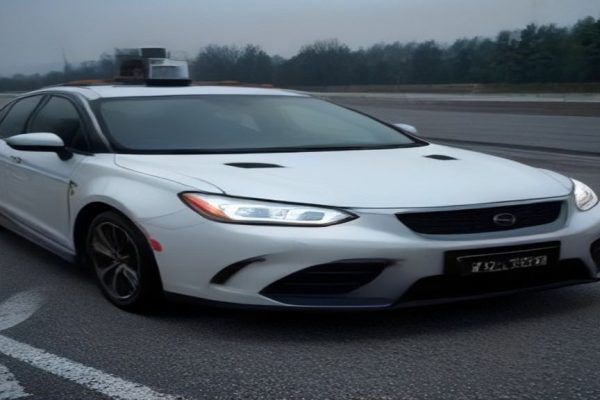
A futuristic image of a Chinese autonomous vehicle navigating a busy city street, with a focus on the lidar sensors and cameras that enable its self-driving capabilities. The vehicle is shown in a sleek, modern design, with a prominent display screen and a minimalist interior. The background is a futuristic cityscape, with towering skyscrapers and flying cars zipping by.
Category
Technology






Leave a Reply