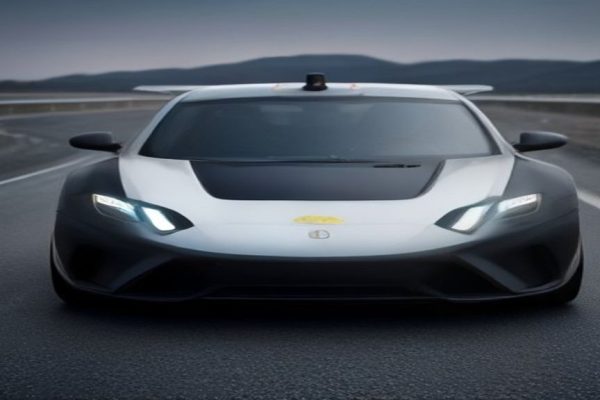
Chinese Carmakers Paving the Way for Autonomous Vehicles
China has been at the forefront of the autonomous vehicle revolution, with several prominent Chinese carmakers investing heavily in the technology. Xinzhou Wu, a prominent figure in the field, recently shared his insights on the current state of autonomy, the role of Chinese carmakers, and the importance of lidar technology. As the world shifts towards a future of self-driving cars, Wu’s opinions hold significant weight.
The Rise of Autonomous Technology in China
Chinese carmakers such as Baidu, Geely, and BYD have been working tirelessly to develop advanced autonomous systems. Their efforts have yielded impressive results, with several Chinese cities already deploying autonomous buses and taxis. Wu highlights the significance of China’s favorable regulatory environment, which has enabled the rapid development of autonomous technology. In contrast, the United States and Europe have stricter regulations, hindering the adoption of autonomous vehicles.
- China’s lenient regulatory environment has allowed Chinese carmakers to experiment with autonomous technology, leading to significant advancements.
- Major Chinese carmakers such as Baidu and Geely have partnered with international companies to accelerate the development of autonomous systems.
- Autonomous buses and taxis are already operating in several Chinese cities, with plans to expand services in the near future.
The Role of Lidar Technology in Autonomous Vehicles
Lidar (Light Detection and Ranging) technology is a crucial component of autonomous vehicles, enabling them to detect and respond to their environment. However, Wu raises questions about the necessity of lidar technology, suggesting that it may not be as essential as previously thought. He cites the success of Chinese autonomous buses, which have been operating effectively without lidar technology. This challenges the conventional wisdom that lidar is a fundamental requirement for autonomous vehicles.
- Lidar technology provides high-resolution 3D mapping of a vehicle’s surroundings, enabling accurate detection and response.
- However, Wu argues that lidar technology may not be as essential as previously thought, citing the success of Chinese autonomous buses without lidar.
- Alternative technologies such as camera-based systems and radar may offer comparable performance to lidar, reducing costs and complexity.
Implications for the Global Autonomous Vehicle Industry
The implications of Wu’s opinions are far-reaching, with significant implications for the global autonomous vehicle industry. If lidar technology is not as essential as previously thought, manufacturers may reevaluate their investment strategies, opting for more cost-effective alternatives. This could accelerate the adoption of autonomous vehicles, making them more accessible to consumers. However, it also raises questions about the long-term viability of lidar technology and the potential consequences for companies that have invested heavily in this area.
As the world hurtles towards a future of autonomous vehicles, the opinions of Xinzhou Wu and other industry experts hold significant weight. Their insights provide a unique perspective on the current state of autonomy, the role of Chinese carmakers, and the importance of lidar technology. As the industry continues to evolve, one thing is certain: the future of autonomous vehicles will be shaped by the innovative spirit of companies like Baidu, Geely, and BYD.






Leave a Reply