Climate Change Threatens the Integrity of Space Exploration
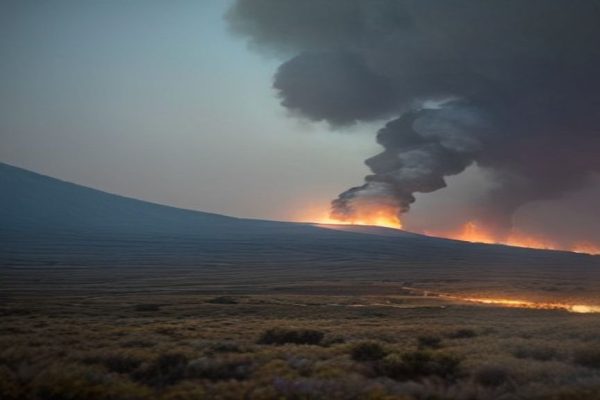
The recent wildfires in Spain that have ravaged the countryside have taken an unexpected turn, engulfing one of the three observatories used by the United States National Aeronautics and Space Administration (NASA) to connect with the European Space Agency (ESA).
The observatory in question, located in the Serra de Cadí Natural Park, is one of the most critical sites for tracking the Earth’s climate patterns and monitoring the effects of global warming. The damage to this facility is likely to have significant repercussions for the scientific community and the future of space exploration.
Background and Context
NASA and ESA have been collaborating on a range of space-based projects, including the European Space Agency’s Gaia mission, which aims to create a highly accurate map of the Milky Way galaxy. The observatory in Spain plays a crucial role in this mission, as well as other initiatives focused on climate change research and space weather monitoring.
Climate change has been increasingly affecting the Earth’s natural environment, leading to more frequent and intense wildfires, droughts, and other extreme weather events. The consequences of these changes are far-reaching and interconnected, impacting not only the planet but also the integrity of space-based systems and infrastructure.
- Wildfires in Spain have been linked to climate change, with rising temperatures and changing precipitation patterns contributing to an increased risk of uncontrolled fires.
- The Serra de Cadí Natural Park is a sensitive ecosystem, home to numerous plant and animal species that are vulnerable to climate-related disruptions.
- NASA’s observatory in Spain is part of a larger network of global climate monitoring systems, which rely on accurate and reliable data to track the Earth’s climate patterns and predict extreme weather events.
Reasons Behind the Damage
The wildfires that engulfed the NASA observatory in Spain were likely exacerbated by a combination of factors, including:
High temperatures and drought conditions in the region, which created a tinderbox of dry vegetation and fuel for the fires.
Strong winds, which spread the fires rapidly and made them difficult to contain.
Poor air quality, which reduced visibility and made it challenging for firefighters to access the affected areas.
The damage to the observatory has raised concerns about the long-term impact on climate change research and space exploration initiatives.
NASA and ESA have expressed their commitment to restoring the facility and ensuring the continuity of critical climate change research.
Future Implications
The damage to the NASA observatory in Spain serves as a stark reminder of the interconnectedness of our planet and the need for urgent action to address the challenges posed by climate change.
As the climate continues to change, the consequences for space-based systems and infrastructure will only become more pronounced, requiring innovative solutions and collaborative efforts to mitigate the risks and ensure the continued integrity of space exploration initiatives.
The incident in Spain highlights the importance of developing more resilient and adaptive strategies for managing the impacts of climate change on critical infrastructure, including space-based systems.
Ultimately, the future of space exploration and climate change research will depend on our ability to work together and address the complex challenges posed by this existential threat.
Image Prompt: An AI-generated image of a wildfire engulfing a NASA observatory in Spain, with flames and smoke billowing in the background, and a dramatic sky with dark clouds and a full moon.
Category: Technology






Leave a Reply