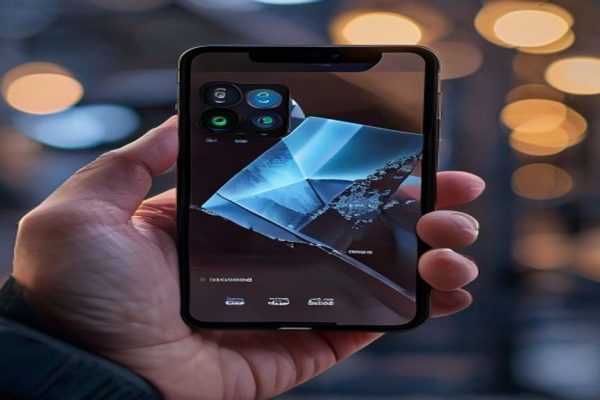
Foldable Phones: A Game-Changing Innovation
The world of smartphones has witnessed numerous innovations over the years, but none have been as revolutionary as foldable phones. Since the introduction of the first foldable phone, Samsung’s Galaxy Fold, in 2019, the industry has seen a significant shift towards this new form factor. The latest advancements in foldable technology have taken us a step closer to a future where phones can seamlessly adapt to our needs.
Foldable phones offer numerous benefits, including increased screen real estate, improved portability, and enhanced user experience. With the ability to fold and unfold, these devices can transform from a compact phone to a tablet-like experience, providing users with a more immersive and interactive experience. This feature is particularly beneficial for tasks such as browsing, gaming, and content creation.
Technical Advancements and Challenges
Behind the scenes, significant technical advancements have enabled the development of foldable phones. The integration of flexible displays, improved hinge mechanisms, and enhanced battery life have made these devices more practical and user-friendly. However, the manufacturing process remains a challenge, and the production costs are still relatively high. As a result, foldable phones are currently priced at a premium, making them inaccessible to many consumers.
Despite these challenges, manufacturers are working tirelessly to improve the technology and reduce costs. Companies like Samsung, Huawei, and Xiaomi have already released their own foldable phone models, and more are expected to join the market soon. As competition increases, prices are expected to decrease, making foldable phones more affordable for the masses.
The Future of Foldable Phones: What’s Next?
As foldable phones continue to evolve, we can expect to see several exciting developments in the near future. One of the most promising areas of innovation is the integration of artificial intelligence (AI) and machine learning (ML) algorithms. These technologies can enable foldable phones to adapt to individual user preferences, offering personalized experiences and improved performance.
Another area of focus is the development of more durable and sustainable foldable displays. Researchers are working on creating displays that can withstand the rigors of daily use, reducing the likelihood of damage and extending the lifespan of these devices.
In addition to these advancements, we can expect to see foldable phones with improved cameras, enhanced audio capabilities, and advanced biometric security features. As the technology continues to mature, we can expect to see more innovative applications of foldable phones, such as in healthcare, education, and entertainment.
Conclusion
Foldable phones have taken a giant leap forward, revolutionizing the mobile technology industry. As manufacturers continue to innovate and improve the technology, we can expect to see foldable phones become more affordable, practical, and user-friendly. With their ability to adapt to our needs, these devices have the potential to transform the way we interact with information and each other.
As we look to the future, it’s exciting to think about the possibilities that foldable phones will bring. Will they become the norm, or will they remain a niche product for early adopters? Only time will tell, but one thing is certain – foldable phones have taken a giant leap forward, and there’s no turning back now.
Key Points:
- Foldable phones offer increased screen real estate, improved portability, and enhanced user experience.
- Technical advancements have enabled the development of foldable phones, but manufacturing remains a challenge.
- Manufacturers are working to improve the technology and reduce costs, making foldable phones more affordable.
- The future of foldable phones holds exciting developments in AI, ML, and sustainable displays.






Leave a Reply