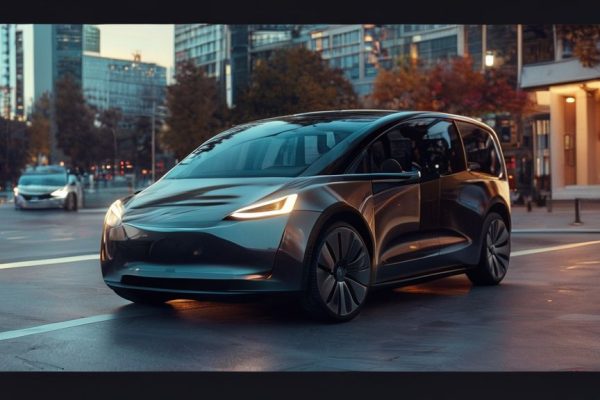
Tesla’s Ambitious Push into Autonomous Driving
Tesla CEO Elon Musk has made no secret of his desire to revolutionize the transportation industry with autonomous driving technology. The latest milestone in this effort is the company’s announcement that its robotaxis are now capable of operating without human supervision. This achievement marks a significant step forward in the development of autonomous vehicles (AVs), but it also raises questions about the practical implications of this technology and how it will be implemented in the real world.
What Does This Mean for the Future of Transportation?
The potential of autonomous driving technology to transform the transportation industry is vast and multifaceted. AVs have the potential to increase road safety, reduce traffic congestion, and provide greater mobility for the elderly and disabled. They could also revolutionize the way we think about car ownership and the urban planning of cities.
- Increased Safety: Autonomous vehicles are capable of detecting and responding to hazards more quickly and accurately than human drivers. This means that the risk of accidents on the road could be significantly reduced.
- Reduced Traffic Congestion: AVs could help to alleviate traffic congestion by optimizing traffic flow and reducing the number of vehicles on the road.
- Greater Mobility: Autonomous vehicles could provide greater mobility for the elderly and disabled, who may struggle to access transportation under current systems.
- New Business Models: The rise of autonomous vehicles could lead to the development of new business models, such as car-sharing services and on-demand transportation.
The Challenges Ahead
While the potential benefits of autonomous driving technology are significant, there are also several challenges that need to be addressed before it can become a reality. These include:
- Regulatory Framework: Governments will need to develop and implement new regulatory frameworks to govern the use of autonomous vehicles on public roads.
- Public Acceptance: There is a need to educate the public about the benefits and risks of autonomous driving technology and to build trust in its safety and reliability.
- Technical Challenges: Developing autonomous vehicles that can operate safely and effectively in a wide range of scenarios is a complex technical challenge that requires significant investment and innovation.
- Liability and Insurance: The introduction of autonomous vehicles raises questions about liability and insurance, particularly in the event of an accident.
In conclusion, Tesla’s announcement that its robotaxis are now capable of operating without human supervision is a significant milestone in the development of autonomous driving technology. While there are several challenges that need to be addressed before this technology can become a reality, the potential benefits are significant and far-reaching. As the transportation industry continues to evolve, it will be interesting to see how autonomous driving technology is implemented and how it will shape the future of transportation.
Image Prompt:
A futuristic image of a Tesla robotaxi driving down a busy city street, with a sleek and modern design. The robotaxi is depicted in a state-of-the-art autonomous mode, with sensors and cameras scanning the road ahead. In the background, there are people walking down the sidewalk, oblivious to the autonomous vehicle driving by. The image should convey a sense of innovation, progress, and a glimpse into the future of transportation.






Leave a Reply