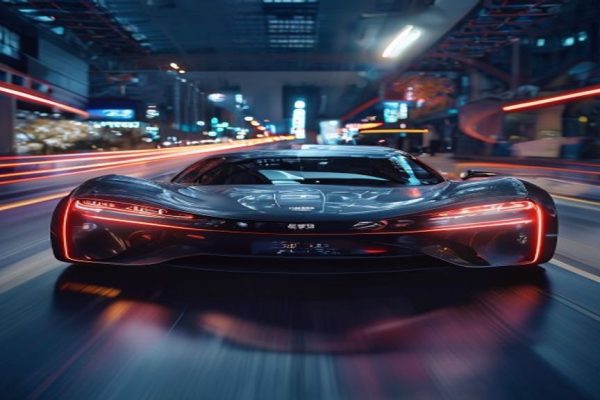
Chinese Carmakers Take the Lead in Autonomous Driving
In a recent interview, Xinzhou Wu, a prominent figure in the field of autonomous driving, shed light on the rapidly evolving landscape of Chinese carmakers. Wu, a renowned expert in the field, emphasized the significance of autonomy in the automotive industry, particularly in China. With the country’s rapidly expanding economy and growing demand for innovative technologies, Chinese carmakers are poised to revolutionize the industry.
One of the key areas of focus for Chinese carmakers is the development of autonomous driving systems. Wu highlighted the importance of sensors, such as lidar, in enabling vehicles to navigate complex environments. While lidar technology has been widely adopted in the industry, Wu questioned its necessity, suggesting that alternative solutions, such as cameras and radar, may be sufficient for certain applications.
The Rise of Chinese Carmakers: A New Era in the Industry
China’s automotive industry has experienced tremendous growth in recent years, driven by government incentives and a rapidly expanding middle class. Chinese carmakers, such as BYD, Geely, and Great Wall Motor, have emerged as major players in the global market. These companies have invested heavily in research and development, leveraging cutting-edge technologies to create innovative vehicles that cater to the needs of the Chinese market.
The rise of Chinese carmakers has significant implications for the global automotive industry. As these companies continue to expand their presence, they are likely to disrupt traditional supply chains and business models. This shift may lead to increased competition, forcing established manufacturers to adapt and innovate in order to remain competitive.
The Future of Autonomous Driving: Challenges and Opportunities
While Chinese carmakers are making strides in autonomous driving, there are still numerous challenges to be addressed. Regulatory frameworks, for instance, need to be refined to accommodate the growth of autonomous vehicles. Additionally, public perception and acceptance of autonomous driving systems remain significant hurdles.
Despite these challenges, the potential benefits of autonomous driving are substantial. Improved safety, increased mobility for the elderly and disabled, and enhanced traffic flow are just a few of the advantages that autonomous vehicles offer. As Chinese carmakers continue to push the boundaries of autonomous driving, we can expect to see significant advancements in the coming years.
- Chinese carmakers are investing heavily in autonomous driving research and development.
- Lidar technology is not the only solution for autonomous driving, with cameras and radar offering viable alternatives.
- The rise of Chinese carmakers has significant implications for the global automotive industry, including increased competition and disruption of traditional supply chains.
- Regulatory frameworks and public perception remain significant challenges for the adoption of autonomous driving.
In conclusion, the future of autonomous driving is looking bright, with Chinese carmakers at the forefront of innovation. As the industry continues to evolve, we can expect to see significant advancements in the coming years. With the potential benefits of autonomous driving substantial, it is essential that we address the challenges and opportunities that lie ahead.






Leave a Reply