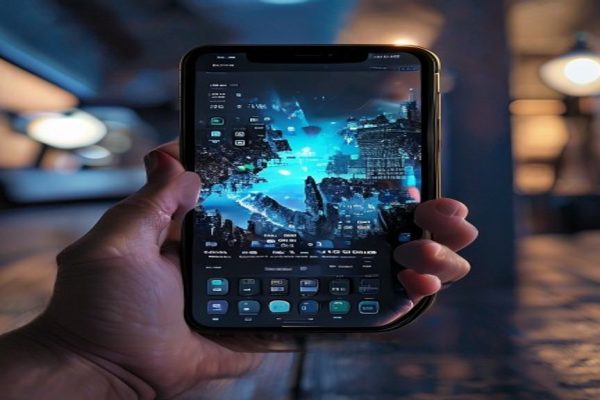
Introduction to the Foldable Phone Revolution
The world of smartphones has witnessed numerous innovations since the introduction of the first mobile phone by Martin Cooper in 1973. However, one of the most significant advancements in recent years is the emergence of foldable phones. This technology, once considered a futuristic concept, has finally become a reality, changing the way we interact with our devices. The recent developments in foldable phones have sent shockwaves across the tech industry, and it’s essential to explore the background, context, and implications of this revolutionary technology.
The Evolution of Foldable Displays
The concept of foldable displays dates back to the 1960s when the first flexible display was demonstrated. However, it wasn’t until the 2000s that researchers began exploring the possibility of flexible displays in mobile devices. Samsung, a pioneering company in the field of foldable technology, filed a patent for a flexible display in 2008. Since then, numerous companies have been working to develop foldable displays for smartphones.
One of the significant challenges in creating foldable displays is the durability of the screen. The screen must be flexible enough to bend and fold without compromising its functionality. This requires the development of advanced materials and manufacturing techniques. The recent advancements in foldable technology have made significant strides in addressing this challenge.
The Benefits of Foldable Phones
Foldable phones offer several benefits over traditional smartphones. One of the most significant advantages is the increased screen real estate. When unfolded, foldable phones provide a larger display, making it ideal for multitasking and watching videos. Additionally, foldable phones are more portable than traditional tablets, making them a convenient alternative for on-the-go entertainment.
Another significant benefit of foldable phones is their potential to increase productivity. With a larger display, users can easily switch between multiple apps, making it easier to manage tasks and stay organized. Furthermore, foldable phones can be used as a laptop, eliminating the need for a separate device.
From a design perspective, foldable phones offer a unique aesthetic appeal. The ability to fold and unfold the screen provides a seamless user experience, making it a stylish addition to any user’s arsenal. The design possibilities are endless, and manufacturers are already exploring innovative ways to incorporate foldable technology into their devices.
Future Implications of Foldable Phones
The impact of foldable phones will be far-reaching, with significant implications for the tech industry, consumers, and the environment. As foldable technology becomes more prevalent, it’s likely that traditional smartphones will become less popular, leading to a decrease in demand for single-screen devices.
This shift in consumer behavior will have a ripple effect on the environment, as the demand for single-screen devices decreases. The reduction in e-waste will be a significant step towards a more sustainable future. Furthermore, the adoption of foldable technology will create new job opportunities in the manufacturing and design sectors.
The rise of foldable phones will also lead to increased competition among manufacturers, driving innovation and pushing the boundaries of what’s possible. As the technology continues to evolve, we can expect to see even more impressive features and designs, making foldable phones an essential addition to any user’s tech arsenal.
Conclusion
In conclusion, the emergence of foldable phones is a significant milestone in the evolution of smartphones. This technology has the potential to revolutionize the way we interact with our devices, increasing productivity, entertainment, and design possibilities. As the industry continues to innovate and adapt, we can expect to see even more impressive features and designs, making foldable phones an essential addition to any user’s tech arsenal.






Leave a Reply