New Rule Sparks Controversy in the US Auto Industry
The US government has denied authorization to a Chinese company, citing national security concerns. The company in question specializes in self-driving car technology, which has raised eyebrows among industry experts and policymakers.
According to sources, the Chinese company was denied authorization under a new rule that bans vehicles with software from China. This move has sparked controversy in the US auto industry, with some experts hailing it as a necessary step to protect national security.
Background: The US has been wary of Chinese tech giants, particularly those involved in sensitive areas like artificial intelligence and autonomous vehicles. The new rule, which was introduced earlier this year, aims to prevent Chinese companies from accessing sensitive US technology, including self-driving car software.
The Chinese company, which has not been named, has been working on developing self-driving car technology for years. However, its ties to the Chinese government and its use of Chinese software have raised concerns among US regulators.
Reasons Behind the Ban: The ban on Chinese self-driving car companies is part of a broader effort by the US to protect its national security interests. The US has been concerned about the potential for Chinese companies to use US technology for nefarious purposes, such as espionage or military advantage.
Future Implications: The ban on Chinese self-driving car companies could have far-reaching implications for the US auto industry. It could lead to a shift in the global balance of power, with US companies gaining a competitive edge in the development of self-driving car technology.
Key Points:
- The US government has denied authorization to a Chinese company specializing in self-driving car technology, citing national security concerns.
- The ban is part of a broader effort by the US to protect its national security interests and prevent Chinese companies from accessing sensitive US technology.
- The US has been wary of Chinese tech giants, particularly those involved in sensitive areas like artificial intelligence and autonomous vehicles.
- The ban on Chinese self-driving car companies could have far-reaching implications for the US auto industry and the global balance of power.
Impact on the US Auto Industry
The ban on Chinese self-driving car companies is likely to have a significant impact on the US auto industry. US companies will need to adapt to the new regulatory landscape and find alternative suppliers for self-driving car technology.
This could lead to a shift in the global balance of power, with US companies gaining a competitive edge in the development of self-driving car technology. However, it could also lead to a backlash from Chinese companies, which may retaliate by imposing their own restrictions on US tech giants.
What’s Next?
The ban on Chinese self-driving car companies is likely to be the subject of intense debate and scrutiny in the coming months. The US government will need to navigate a complex web of regulatory and diplomatic considerations to ensure that its national security interests are protected.
The Chinese company in question is likely to challenge the ban in court, arguing that it is unfair and discriminatory. This could lead to a lengthy and contentious legal battle, with far-reaching implications for the US auto industry and the global balance of power.
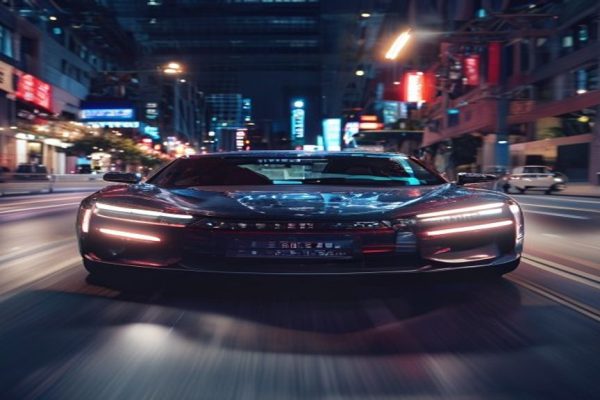
Image Prompt: A photograph of a self-driving car with a red ‘X’ symbol superimposed over it, representing the ban on Chinese self-driving car companies.






Leave a Reply