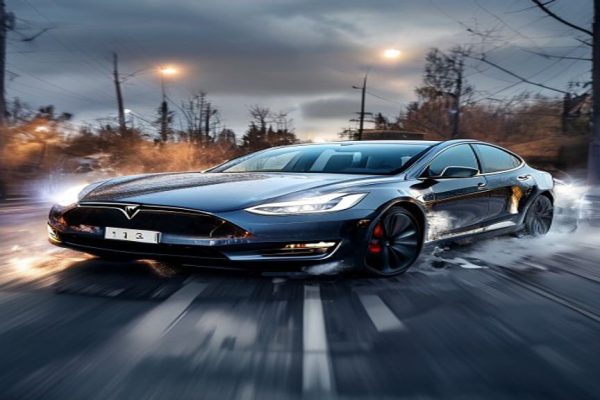
Tesla Model 3 Autopilot Crash: Another Fatal Accident Raises Concerns Over Driver Accountability and Vehicle Safety
A recent fatal crash involving a Tesla Model 3 equipped with Autopilot has once again brought to the forefront concerns over driver accountability and vehicle safety in the age of autonomous driving.
The incident, which occurred on a sunny day in a suburban area, has left many questioning the role of human error versus technological malfunction in such accidents. According to eyewitnesses, the driver of the Model 3 had the accelerator pressed all the way to 100% for an extended period, leading to a loss of control and a fatal collision.
Background and Context
The Tesla Model 3 has been a flagship vehicle for the electric car manufacturer since its introduction in 2017. Equipped with advanced Autopilot features, the car is designed to assist drivers in various situations, including lane changes, speed adjustments, and even parking. However, numerous incidents have raised concerns over the reliability and safety of these features, particularly in situations where human intervention is required.
One of the primary concerns surrounding Autopilot is the lack of clear guidelines and regulations for its use. While Tesla provides extensive documentation and training for drivers, many users fail to fully understand the limitations and capabilities of the system. This can lead to a false sense of security, causing drivers to become complacent and rely too heavily on the vehicle’s technology.
Why Driver Accountability Matters
As the world becomes increasingly reliant on autonomous vehicles, it is essential to address the issue of driver accountability. While technology can provide significant assistance, it is ultimately the driver who is responsible for the vehicle’s actions. In the event of an accident, the question of who is liable – the driver or the manufacturer – becomes a critical factor in determining compensation and liability.
Moreover, a lack of driver accountability can lead to a culture of complacency, where drivers become less attentive and less engaged with the road. This can have devastating consequences, particularly in situations where human intervention is required to prevent an accident.
The Future of Autonomous Driving
As the industry continues to evolve, it is clear that autonomous driving will play an increasingly significant role in shaping the future of transportation. However, for this technology to be safe and effective, it is essential to address the issue of driver accountability and ensure that drivers are properly trained and equipped to handle the complexities of autonomous driving.
Regulatory bodies and manufacturers must work together to establish clear guidelines and standards for the use of Autopilot and other advanced driver-assistance systems (ADAS). This includes providing comprehensive training and education for drivers, as well as implementing robust safety protocols to prevent accidents.
Key Takeaways
- The recent fatal crash involving a Tesla Model 3 highlights the importance of driver accountability in the age of autonomous driving.
- Clear guidelines and regulations are necessary to ensure the safe and effective use of Autopilot and other ADAS.
- Driver training and education are essential in preventing accidents and ensuring the safe use of autonomous vehicles.
- Regulatory bodies and manufacturers must work together to establish clear standards and protocols for the use of autonomous driving technology.
In conclusion, the recent Tesla Model 3 Autopilot crash serves as a stark reminder of the importance of driver accountability and vehicle safety in the age of autonomous driving. As the industry continues to evolve, it is essential to address these concerns and ensure that drivers are properly trained and equipped to handle the complexities of autonomous driving.






Leave a Reply