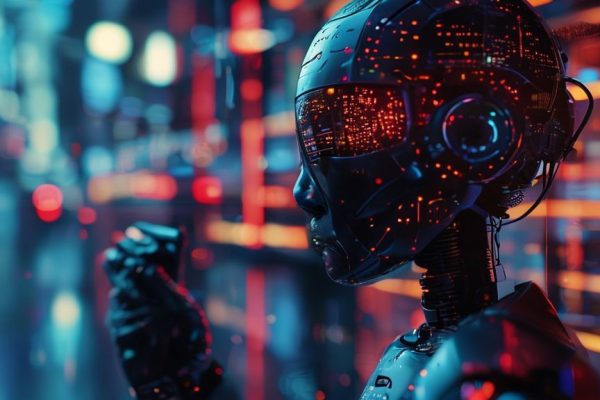
Informational Warfare on Social Media: A New Era
As the world becomes increasingly interconnected, social media has emerged as a key battleground for the dissemination of information. However, with the classic bot approach to disinformation becoming outdated, a new phase of informational warfare is unfolding. According to Jonas Kunst, a professor of communication studies, technological advancements have made it possible for sophisticated disinformation campaigns to thrive.
The Evolution of Disinformation
Disinformation has been a tool of war for centuries, with various forms of propaganda and manipulation used to influence public opinion. The rise of social media has accelerated the spread of disinformation, with bots and automated accounts playing a significant role in amplifying false narratives. However, as Kunst notes, the classic bot approach is no longer effective in today’s digital landscape.
The ease with which bots can be identified and blocked has led to the development of more sophisticated disinformation tactics. These include the use of artificial intelligence (AI) to create realistic and convincing content, as well as the exploitation of social media’s algorithmic biases to amplify certain types of content.
The Role of AI in Disinformation
AI has emerged as a key player in the world of disinformation. By analyzing vast amounts of data and identifying patterns, AI algorithms can create content that is tailored to specific audiences and designed to maximize engagement. This can include the creation of fake news articles, social media posts, and even videos that are designed to deceive and manipulate.
The use of AI in disinformation raises significant concerns about the credibility of online information. As AI-generated content becomes increasingly sophisticated, it is becoming increasingly difficult for individuals to distinguish between fact and fiction. This has serious implications for democracy, as the spread of disinformation can undermine trust in institutions and contribute to the polarization of society.
The Future of Disinformation
As disinformation continues to evolve, it is clear that the classic bot approach is no longer sufficient to combat its spread. Instead, a more nuanced and sophisticated approach is required, one that takes into account the complexities of AI-generated content and the algorithmic biases of social media platforms.
This requires a multifaceted approach that involves governments, tech companies, and civil society organizations working together to develop new strategies for combating disinformation. This can include the development of AI-powered tools to detect and debunk disinformation, as well as the implementation of policies to promote media literacy and critical thinking.
Ultimately, the fight against disinformation requires a sustained and collective effort. By working together, we can create a more informed and resilient society that is better equipped to resist the spread of disinformation.
Key Points:
- The classic bot approach to disinformation is no longer effective due to the ease with which bots can be identified and blocked.
- AI has emerged as a key player in the world of disinformation, with the ability to create realistic and convincing content.
- The use of AI in disinformation raises significant concerns about the credibility of online information and the polarization of society.
- A multifaceted approach is required to combat disinformation, involving governments, tech companies, and civil society organizations.
- Media literacy and critical thinking are essential skills for resisting the spread of disinformation.






Leave a Reply