Autopilot System Fails to Prevent Fatal Crash
A recent fatal crash involving a Tesla Model 3 has raised concerns over the safety and reliability of the electric vehicle manufacturer’s Autopilot system. According to reports, the driver had the accelerator pressed to 100% for an extended period, resulting in the vehicle crashing and causing the driver’s death.
The incident highlights the growing concerns over driver distraction and the limitations of semi-autonomous driving technology. While Tesla’s Autopilot system is designed to assist drivers by taking control of steering, braking, and acceleration in certain situations, it is not foolproof and can be prone to errors if the driver is not fully attentive.
Investigations into the crash are ongoing, but experts believe that the incident may be linked to the driver’s lack of attention to the road. Tesla’s Autopilot system relies heavily on cameras, radar, and ultrasonic sensors to detect the environment and make decisions in real-time. However, if the driver is not paying attention or is distracted, the system may not be able to function correctly.
Background on Tesla’s Autopilot System
Tesla’s Autopilot system is a semi-autonomous driving technology that uses a combination of cameras, radar, and ultrasonic sensors to detect the environment and make decisions in real-time. The system is designed to assist drivers by taking control of steering, braking, and acceleration in certain situations, such as on highways and in heavy traffic.
However, the system has been known to have limitations and can be prone to errors if the driver is not fully attentive. In 2016, a Tesla Model S crashed in Florida while the Autopilot system was engaged, resulting in the deaths of two passengers. The National Highway Traffic Safety Administration (NHTSA) launched an investigation into the crash, which found that the Autopilot system was not functioning correctly.
Industry-Wide Concerns Over Driver Distraction and Vehicle Safety
The recent crash involving the Tesla Model 3 has raised industry-wide concerns over driver distraction and vehicle safety. Many experts believe that the incident highlights the need for more stringent regulations and guidelines for the development and deployment of semi-autonomous driving technology.
Some of the key points that need to be addressed include:
- The need for more stringent testing and validation procedures for semi-autonomous driving systems
- The importance of driver education and training on the safe use of semi-autonomous driving technology
- The need for more transparent and accurate reporting of incidents involving semi-autonomous vehicles
- The importance of industry-wide collaboration and coordination on the development and deployment of semi-autonomous driving technology
The safety of vehicles is of utmost importance, and it is crucial that manufacturers prioritize the development of reliable and safe semi-autonomous driving technology. By addressing the concerns raised by the recent crash, the industry can work towards creating a safer and more reliable transportation system for all.
In conclusion, the recent crash involving the Tesla Model 3 highlights the need for more stringent regulations and guidelines for the development and deployment of semi-autonomous driving technology. By prioritizing driver safety and education, and by working together as an industry, we can create a safer and more reliable transportation system for all.
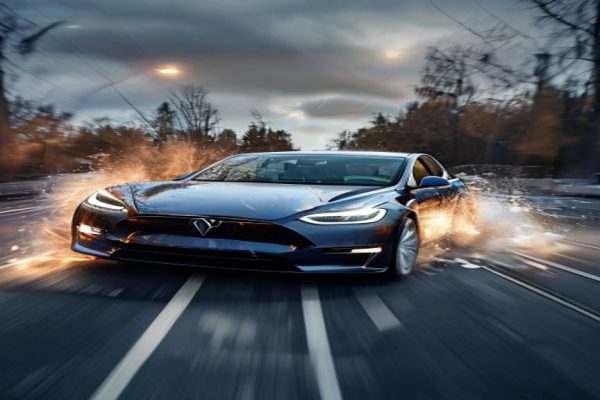
Image Prompt: A Tesla Model 3 crashed on the side of the road, with the front end severely damaged. The Autopilot system’s logo is visible on the dashboard, highlighting the importance of driver attention and education in preventing such incidents.






Leave a Reply