Background to the Ban
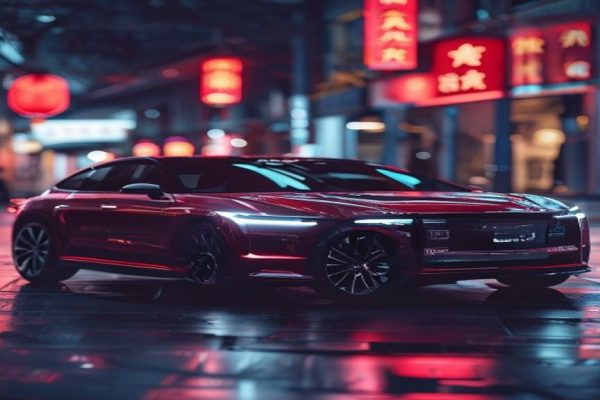
The recent authorization denial of a China-based electric vehicle (EV) maker by the US government highlights the escalating tensions between the two nations. The ban on vehicles with software from China is part of a broader effort to address concerns over national security and the potential risks associated with relying on foreign technology.
The new rule, which was introduced in response to growing fears of espionage and intellectual property theft, aims to restrict the importation of vehicles with software that has been deemed to be a threat to US national security. While the US government has not explicitly stated which software components are off-limits, the move has been seen as a clear indication of the administration’s commitment to safeguarding the country’s critical infrastructure.
The decision to deny authorization to the China-based EV maker has been met with widespread criticism from industry experts and advocates of free trade. Many have argued that the ban will have far-reaching consequences, including higher costs for consumers, reduced competition in the market, and a potential backlash from China.
Consequences of the Ban
The ban on vehicles with software from China is likely to have significant consequences for the US automotive industry. With several major manufacturers relying on Chinese suppliers for critical components, including advanced driver-assistance systems (ADAS) and infotainment systems, the ban could lead to a shortage of these components and result in delays in production.
Furthermore, the ban may also have a negative impact on the environment, as Chinese EV makers are known for their high-efficiency and sustainable vehicles. With the ban in place, consumers may be forced to opt for less environmentally friendly alternatives, which could exacerbate the country’s air pollution problem.
The ban may also have a ripple effect on the global supply chain, as several other countries, including the European Union and Japan, rely heavily on Chinese technology. As tensions between the US and China continue to escalate, it remains to be seen how other countries will respond to the ban and whether they will follow suit.
Future Implications
The ban on vehicles with software from China has significant implications for the future of the automotive industry. As the world moves towards a more interconnected and digitally driven landscape, the reliance on foreign technology will only continue to grow.
In response to the ban, US manufacturers may be forced to invest heavily in domestic research and development, which could lead to a surge in innovation and job creation. However, this could also lead to a widening gap between the US and Chinese manufacturers, as the latter continue to benefit from economies of scale and access to advanced technology.
As the US government continues to navigate the complex landscape of global trade and security, one thing is clear: the ban on vehicles with software from China is only the beginning of a longer conversation about the role of foreign technology in the US automotive industry.
- The US government has denied authorization to a China-based EV maker under a new rule that bans vehicles with software from China.
- The ban is part of a broader effort to address concerns over national security and the potential risks associated with relying on foreign technology.
- The decision has been met with widespread criticism from industry experts and advocates of free trade.
- The ban may have significant consequences for the US automotive industry, including a shortage of critical components and delays in production.
- The ban may also have a negative impact on the environment and the global supply chain.






Leave a Reply