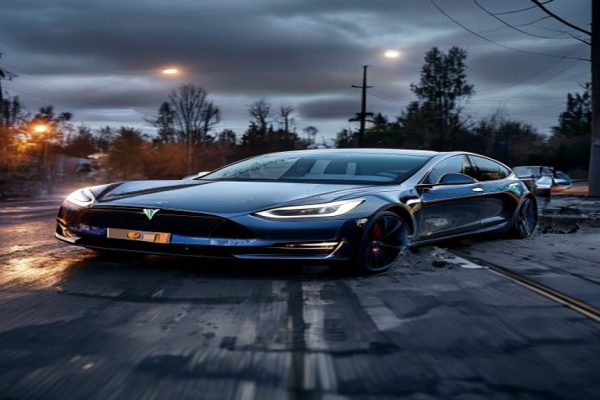
Fatal Model 3 Crash Raises Questions About Tesla Autopilot
The recent fatal Model 3 crash has sparked intense scrutiny of Tesla’s Autopilot system, with many questioning its reliability and safety. According to reports, the driver of the Model 3 had the accelerator pedal pressed all the way to 100% when the vehicle crashed, resulting in the driver’s death.
The incident has raised concerns about the limitations and potential flaws of Autopilot, which is designed to assist drivers but not replace human judgment. While Tesla has emphasized the importance of human oversight when using Autopilot, critics argue that the system’s reliance on data and sensors can lead to accidents if not properly calibrated or updated.
Background on Tesla Autopilot
Tesla’s Autopilot system uses a combination of cameras, radar, and ultrasonic sensors to detect and respond to its surroundings. The system is designed to assist drivers in various driving scenarios, including steering, acceleration, and braking. However, Autopilot has been involved in several high-profile accidents in the past, with some critics arguing that it can be overly reliant on data and prone to errors.
One of the key concerns surrounding Autopilot is its ability to detect and respond to complex driving scenarios, such as intersections and construction zones. While the system has improved significantly over the years, it still relies heavily on data and sensors, which can be limited in their ability to detect and respond to unexpected situations.
Future Implications for Tesla and the Auto Industry
The fatal Model 3 crash has significant implications for Tesla and the auto industry as a whole. As autonomous vehicles become increasingly prevalent, the need for reliable and safe Autopilot systems becomes more pressing. Tesla’s reputation as a pioneer in the electric vehicle and autonomous vehicle space is at stake, and the company will need to take steps to address concerns about Autopilot’s safety and reliability.
The incident also highlights the importance of regulatory oversight in the development and deployment of autonomous vehicle technology. As the industry continues to evolve, governments and regulatory bodies will need to establish clear guidelines and standards for the development and testing of Autopilot systems.
- Tesla’s Autopilot system has been involved in several high-profile accidents in the past, raising concerns about its reliability and safety.
- The fatal Model 3 crash has sparked intense scrutiny of Autopilot, with many questioning its limitations and potential flaws.
- The incident highlights the importance of human oversight when using Autopilot and the need for regulatory oversight in the development and deployment of autonomous vehicle technology.
- Tesla will need to take steps to address concerns about Autopilot’s safety and reliability in order to maintain its reputation as a pioneer in the electric vehicle and autonomous vehicle space.
Conclusion
The fatal Model 3 crash is a sobering reminder of the challenges and complexities associated with autonomous vehicle technology. As the industry continues to evolve, it is essential that companies like Tesla prioritize safety and reliability when developing and deploying Autopilot systems. By doing so, they can help to build trust and confidence in the technology, ultimately paving the way for widespread adoption.
Tesla’s Autopilot system has the potential to revolutionize the way we drive, but it must be developed and deployed with caution and attention to detail. The company’s response to the fatal Model 3 crash will be closely watched, and it will be interesting to see how they address concerns about Autopilot’s safety and reliability.






Leave a Reply