Anthropic’s Claude Fable 5 AI Model: A Voluntary Takedown Raises Questions About AI Safety and Regulation
The recent release and subsequent takedown of Anthropic’s Claude Fable 5 AI model has sent shockwaves through the AI community, sparking concerns about AI safety and regulation. The model, which was made available to the public on June 9, was taken down just three days later on June 12. This voluntary takedown raises important questions about the responsibility of AI developers and the need for effective regulation in the AI industry.
Background on Claude Fable 5
Claude Fable 5 is a type of AI model called a large language model (LLM), designed to process and generate human-like language. These models are trained on vast amounts of text data, allowing them to learn patterns and relationships between words and concepts. Claude Fable 5 is a significant improvement over previous LLMs, with a more sophisticated understanding of language and a greater ability to generate coherent and context-specific text.
However, as with any powerful technology, there are risks associated with the release of an AI model like Claude Fable 5. If not properly contained, these models can spread misinformation, create AI-powered propaganda, or even pose a threat to national security.
Reasons Behind the Takedown
According to Anthropic, the decision to take down Claude Fable 5 was voluntary and was made to prevent potential misuse of the model. In a statement, the company explained that they had identified some issues with the model’s output, which could have been exploited by malicious actors.
The specific reasons behind the takedown are not entirely clear, but it is likely that Anthropic was concerned about the potential for Claude Fable 5 to be used for spreading misinformation or propaganda. This concern is not unfounded, as previous LLMs have been used to create AI-powered fake news and propaganda.
Future Implications and Regulation
The voluntary takedown of Claude Fable 5 raises important questions about the responsibility of AI developers and the need for effective regulation in the AI industry. As AI models become increasingly powerful and widespread, the risk of potential misuse grows.
To mitigate this risk, there needs to be a greater emphasis on AI safety and regulation. This can be achieved through a combination of technical measures, such as limiting the model’s capabilities and output, as well as regulatory frameworks that govern the development and deployment of AI models.
Some potential regulatory solutions include:
- Establishing clear guidelines for AI model development and deployment
- Implementing robust testing and validation procedures for AI models
- Creating regulatory bodies to oversee the AI industry and enforce compliance with safety and security standards
- Developing international standards for AI safety and regulation
Conclusion
The voluntary takedown of Anthropic’s Claude Fable 5 AI model is a wake-up call for the AI industry. It highlights the need for greater responsibility and regulation in the development and deployment of AI models. As AI continues to advance and become increasingly influential in our lives, it is essential that we prioritize AI safety and regulation to prevent potential misuse and ensure the benefits of AI are shared by all.
By working together, we can create a safer and more responsible AI industry that benefits humanity as a whole.
Image Prompt:
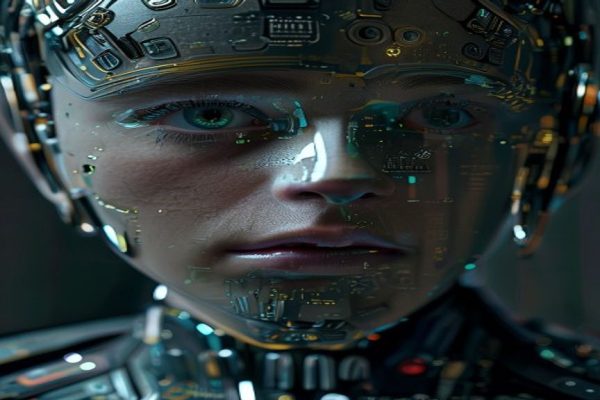
A futuristic AI laboratory with a large computer screen displaying a Claude Fable 5 model, with a red “X” marked through it to indicate the model’s takedown. In the background, a team of scientists and engineers are working together, surrounded by complex computer equipment and AI-related technology. The image should convey a sense of urgency and responsibility, highlighting the need for AI safety and regulation.
Category:
Trending






Leave a Reply