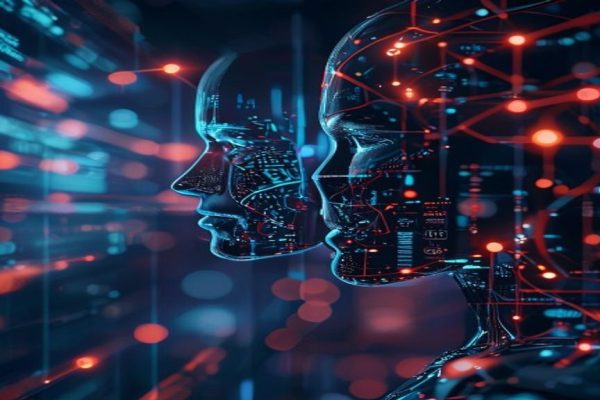
AI-Powered Cybersecurity Threats: A Double-Edged Sword in the Digital Age
The rise of artificial intelligence (AI) has revolutionized numerous industries, including cybersecurity. New generations of AI models have significantly improved the speed and efficiency of software vulnerability discovery. However, this advancement has also created a new era of threats, where malicious hackers can exploit vulnerabilities at an unprecedented pace.
The Dark Side of AI-Powered Cybersecurity
The increased use of AI in cybersecurity has led to the development of sophisticated hacking tools that can rapidly scan for and exploit vulnerabilities. This has created a cat-and-mouse game between cybersecurity experts and hackers, where the latter can adapt and respond to new threats in real-time. The consequences of this arms race are far-reaching, with potential impacts on sensitive data, critical infrastructure, and national security.
One of the primary concerns is the emergence of AI-powered botnets, which can launch coordinated attacks on scale. These botnets are often comprised of compromised devices, such as IoT devices and smartphones, that can be remotely controlled by hackers. AI-powered botnets can overwhelm even the most robust cybersecurity defenses, causing significant disruptions and financial losses.
The Human Factor in AI-Powered Cybersecurity
While AI models have improved the efficiency of cybersecurity, human oversight is still essential in preventing and responding to attacks. Cybersecurity experts must stay up-to-date with the latest AI-powered threats and adapt their strategies accordingly. This requires continuous education, training, and collaboration among industry stakeholders.
The human factor is also critical in addressing the social engineering aspect of AI-powered cybersecurity threats. As AI models become more sophisticated, they can be used to create convincing phishing emails, social media scams, and other forms of manipulation. Cybersecurity experts must focus on educating users about the risks of AI-powered social engineering and developing effective countermeasures.
The Future of AI-Powered Cybersecurity
The future of AI-powered cybersecurity is uncertain, with both positive and negative implications. On the one hand, AI models can be used to develop more effective cybersecurity solutions, such as AI-powered intrusion detection systems and predictive analytics. These solutions can help organizations stay ahead of emerging threats and minimize the risk of data breaches.
On the other hand, the increasing use of AI in cybersecurity may create new challenges and vulnerabilities. As AI models become more powerful, they may also become more difficult to control and predict. This raises concerns about the potential for AI-powered cyberattacks to escalate into more severe and destructive forms.
Key Takeaways
- AI models have improved the speed and efficiency of software vulnerability discovery.
- The increased use of AI in cybersecurity has created a new era of threats, where malicious hackers can exploit vulnerabilities at an unprecedented pace.
- Cybersecurity experts must stay up-to-date with the latest AI-powered threats and adapt their strategies accordingly.
- The human factor is critical in addressing the social engineering aspect of AI-powered cybersecurity threats.
- The future of AI-powered cybersecurity is uncertain, with both positive and negative implications.
The rise of AI-powered cybersecurity threats is a wake-up call for organizations and individuals alike. As we move forward in the digital age, it is essential to acknowledge the potential risks and benefits of AI models and develop effective strategies to mitigate the threats. By doing so, we can unlock the full potential of AI in cybersecurity and create a safer, more secure digital landscape.
Image Prompt: A futuristic illustration of a cityscape with AI-powered robots and drones monitoring the digital infrastructure. In the background, a group of hackers are seen using AI-powered tools to launch a cyberattack. The image should convey the sense of rapid technological advancement and the need for cybersecurity experts to stay ahead of the threats.






Leave a Reply