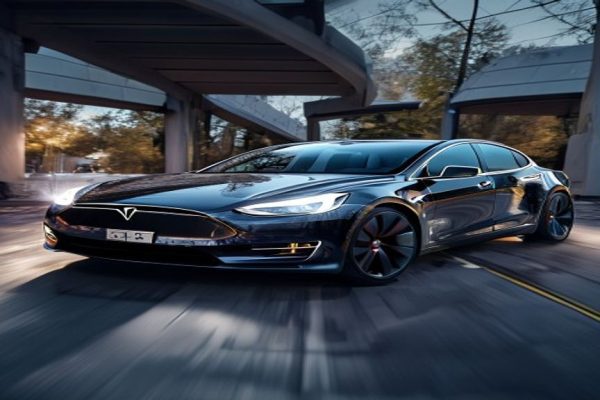
Tesla’s Model 3 Autopilot System Under Scrutiny After Fatal Crash
The recent fatal crash involving a Tesla Model 3 has raised questions about the effectiveness of the vehicle’s Autopilot system. According to reports, the driver had the accelerator pedal pressed to 100% for several seconds, resulting in the tragic accident.
Background and Context
The Autopilot system in Tesla’s Model 3 is a semi-autonomous driving technology designed to assist drivers in various driving scenarios. The system uses a combination of cameras, radar, and ultrasonic sensors to detect the vehicle’s surroundings and make adjustments to the steering and acceleration accordingly.
While Autopilot has been hailed as a revolutionary technology, there have been instances where it has failed to perform as expected. In some cases, the system has been known to misinterpret road markings or fail to adjust to changing traffic conditions.
Reasons Behind the Crash
The recent fatal crash involving a Tesla Model 3 is believed to have been caused by a combination of factors. According to Tesla, the driver had the accelerator pedal pressed to 100% for several seconds, which is a clear indication of driver error. However, some experts have questioned whether the Autopilot system could have contributed to the accident.
One possible explanation is that the Autopilot system failed to detect the driver’s intentions or failed to adjust to the vehicle’s speed. This could have led to the vehicle accelerating at a higher rate than intended, resulting in the fatal crash.
Future Implications
The recent fatal crash involving a Tesla Model 3 is a wake-up call for the automotive industry. As semi-autonomous driving technologies become more widespread, it’s essential to ensure that they are designed and tested to the highest standards.
Tesla has already taken steps to improve the Autopilot system, including the introduction of new safety features and software updates. However, more needs to be done to ensure that these systems are reliable and safe for use on public roads.
Regulators and industry experts will be closely monitoring the situation to ensure that Tesla and other manufacturers are taking the necessary steps to improve the safety of semi-autonomous driving technologies.
Key Points
- The recent fatal crash involving a Tesla Model 3 has raised questions about the effectiveness of the vehicle’s Autopilot system.
- The Autopilot system uses a combination of cameras, radar, and ultrasonic sensors to detect the vehicle’s surroundings and make adjustments to the steering and acceleration accordingly.
- The driver had the accelerator pedal pressed to 100% for several seconds, resulting in the fatal crash.
- Tesla has already taken steps to improve the Autopilot system, including the introduction of new safety features and software updates.
- Regulators and industry experts will be closely monitoring the situation to ensure that Tesla and other manufacturers are taking the necessary steps to improve the safety of semi-autonomous driving technologies.






Leave a Reply