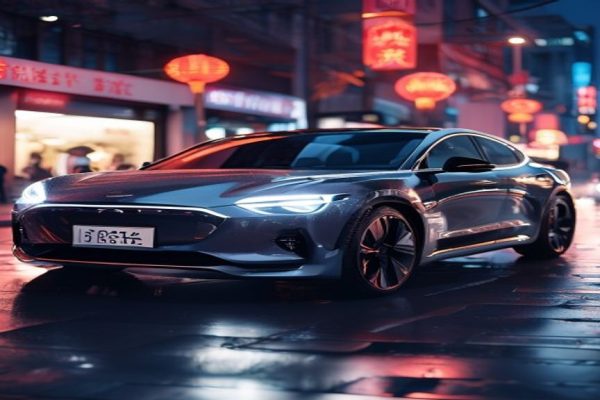
US Authorities Deny Authorization to Chinese Electric Vehicle Maker
The United States has denied authorization to a Chinese electric vehicle maker, citing a new rule that bans vehicles with software originating from China. This move comes amid escalating trade tensions between the two nations, with the US imposing stricter regulations on Chinese companies.
The company in question, a leading electric vehicle manufacturer in China, had been seeking to enter the US market, which has been a significant target for Chinese firms looking to expand their global presence. However, the US authorities have now blocked their entry, citing national security concerns and the need to protect American businesses.
The new rule, which was recently introduced by the US Department of Transportation, prohibits vehicles with software from China from being imported into the country. This move is seen as a response to growing concerns about the potential risks associated with Chinese technology, including data security and intellectual property theft.
Background and Context
The US has long been wary of Chinese investment in the country, with concerns about the potential risks to national security and the economy. In recent years, there have been several high-profile deals between Chinese companies and American firms, which have sparked controversy and raised concerns about the impact on the US economy.
The US-China trade relationship has been a major area of focus for policymakers in recent years, with both countries imposing tariffs and other restrictions on each other’s products. The new rule on Chinese software is just the latest development in this ongoing saga, and it is likely to have significant implications for the US auto industry.
Implications for the US Auto Industry
The denial of authorization to the Chinese electric vehicle maker is likely to have significant implications for the US auto industry, which has been facing increasing competition from Chinese firms in recent years. The US auto market is highly regulated, and the new rule on Chinese software is likely to make it even more challenging for Chinese companies to enter the market.
However, the move is also likely to benefit American businesses, which have long been concerned about the impact of Chinese competition on the US economy. The new rule is seen as a way to level the playing field and protect American businesses from what some see as unfair competition from Chinese firms.
Key Points:
- The US has denied authorization to a Chinese electric vehicle maker citing a new rule that bans vehicles with software from China.
- The new rule is seen as a response to growing concerns about the potential risks associated with Chinese technology, including data security and intellectual property theft.
- The US auto market is highly regulated, and the new rule on Chinese software is likely to make it even more challenging for Chinese companies to enter the market.
- The move is likely to benefit American businesses, which have long been concerned about the impact of Chinese competition on the US economy.
Future Implications
The denial of authorization to the Chinese electric vehicle maker is likely to have significant future implications for the US-China trade relationship and the US auto industry. The US is likely to continue to impose stricter regulations on Chinese companies, and the Chinese government is likely to respond with its own set of measures to protect its businesses.
The ongoing trade tensions between the US and China are likely to have significant implications for the global economy, and the auto industry is likely to be at the forefront of these tensions. The US auto market is highly competitive, and the new rule on Chinese software is likely to make it even more challenging for Chinese companies to enter the market.
However, the move is also likely to benefit American businesses, which have long been concerned about the impact of Chinese competition on the US economy. The new rule is seen as a way to level the playing field and protect American businesses from what some see as unfair competition from Chinese firms.
As the US-China trade relationship continues to evolve, it is likely that the auto industry will be at the forefront of these tensions. The US will likely continue to impose stricter regulations on Chinese companies, and the Chinese government will likely respond with its own set of measures to protect its businesses.
The ongoing trade tensions between the US and China are likely to have significant implications for the global economy, and the auto industry is likely to be at the forefront of these tensions.
In conclusion, the denial of authorization to the Chinese electric vehicle maker is a significant development in the ongoing saga of US-China trade tensions. The new rule on Chinese software is likely to have significant implications for the US auto industry and the US-China trade relationship, and it is likely to benefit American businesses in the long run.






Leave a Reply